Most cats seem perfectly fine right up until they don't. That's the species. They are extraordinarily good at masking illness, which means the window between "nothing to worry about" and "emergency" is shorter than it is for most animals. Preventative care is how you catch what they're hiding.
Early-stage kidney disease: manageable.
Late-stage, discovered too late: £3,000 and a very different conversation.
This isn’t fear. It’s arithmetic dressed in clinical lighting. And it quietly dismantles the idea that “they seem fine” is a reliable metric. Cats excel at appearing fine. Right up until they don’t.
Preventative care is not indulgence. It is interception.
The Annual Exam (A Surprisingly Modest Luxury)
£45–£80, once a year.
In return: early detection—dental disease, thyroid imbalance, kidney decline, subtle weight shifts that suggest something beneath the surface.
Ignore it, and the narrative becomes more expensive: £200–£500 for urgency. £1,000–£5,000 for consequences.
The annual exam is not glamorous. It is, however, the most cost-effective decision you will make all year.
Dental Health (The Quiet Catastrophe)
By the time a cat stops eating, the story is already advanced.
Routine cleaning: £200–£400.
Delayed intervention: £1,500 and upward.
At home, think restraint over perfection. Thirty seconds of brushing, occasionally. A lifted lip once a month. Redness, tartar, anything inelegant—investigate early.
As for the beautifully packaged “solutions”? Mostly theatre. The kind that dissolves under scrutiny.
Weight (Not Aesthetic. Existential.)
An overweight cat carries more than softness.
It carries risk—diabetes, joint strain, liver disease, a shorter life by roughly two years.
Management is almost unromantic in its simplicity: Measured food. Minimal treats. Movement disguised as play.
Think imaginatively to keep them active: Puzzle feeders. Vertical space. Fifteen minutes of daily engagement.
Not fitness. Just friction against stillness.
Nutrition (Read Beyond the Packaging)
Ignore the typography. Read the ingredients.
Named proteins. Animal-first composition. Minimal filler.
Cats are carnivores. Not negotiators.
Wet food, despite its lack of aesthetic crunch, delivers what matters: hydration.
Dry food offers convenience. Not salvation.
Mental Health (The Invisible Expense)
Stress in cats is not dramatic. It is discreet.
It appears as overgrooming, missed litter trays, low immunity.
The solution is not extravagant. It is environmental:
Predictability. Safe spaces. Routine.
Then enrichment—play, height, stimulation that echoes instinct.
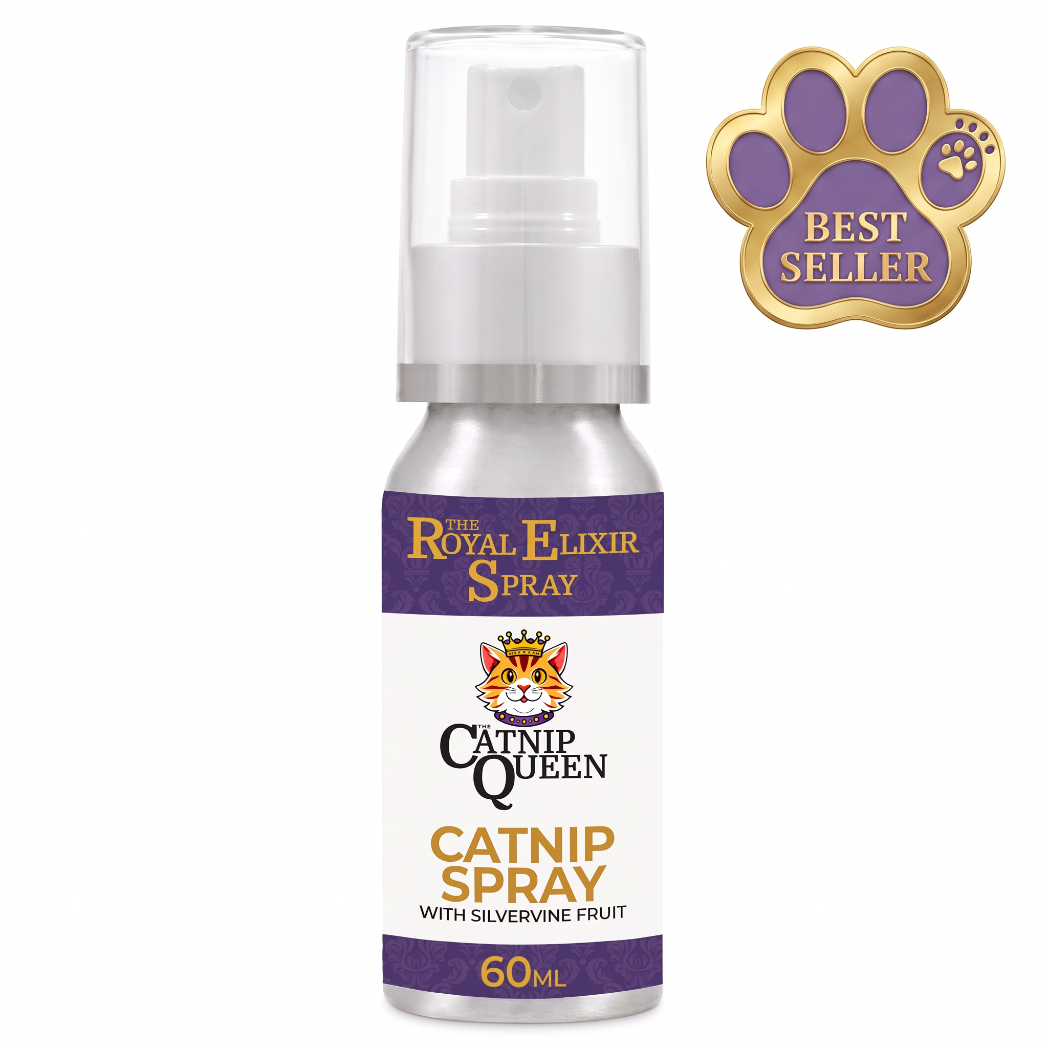
Some interventions help. Diffusers, calming blends of catnip, subtle aids.
Not cures. Atmosphere. Think of them as scent, not structure.
Sustainability (Placed, Not Performed)
Yes—ethical sourcing, reduced waste, transparency. They matter. But not more than health.
When the two conflict, health takes precedence. Quietly, decisively.
Where we don't compromise: sourcing transparency, packaging choices, and the 1% of every sale that goes to Felinecare. That one is non-negotiable.
The Reality, Refined
Prevention costs less than repair.
Nutrition costs less than disease.
Calm costs less than crisis.
None of this is complicated. It simply requires acting before the narrative becomes expensive. And if your cat’s next check-up reveals something early— that is not bad news. It is timing, working in your favour.
And, did you hear the word on the catwalk? 1% of every Catnip Queen sale goes to Felinecare, who do the incredibly hard work of rehabilitating cats that the system wrote off.
The content published in our blog reflects the personal opinions and experiences of the individual authors and is intended for general informational purposes only. It should not be considered as professional, legal, medical, or veterinary advice. For any concerns requiring expert guidance, we strongly recommend consulting a qualified professional directly. Reliance on any information provided within these blogs is solely at your own risk.