If you share your postcode with both a cat and a dog, this one's for you.
Relax. Really.
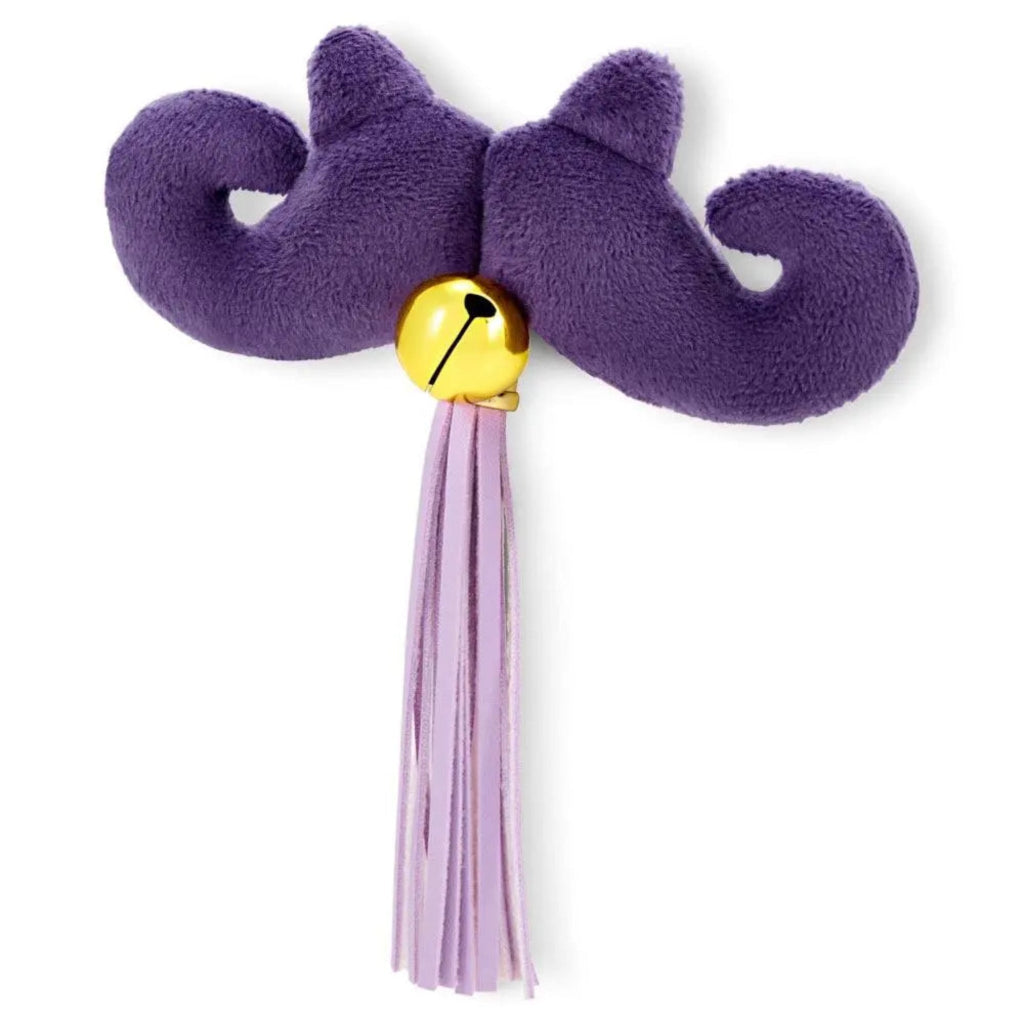
Yes, it happened. The new, organic, therapeutic-grade catnip toy for cats—vanished into the corner of the sofa, commandeered by the dog. But let’s be clear: this is not a disaster. It is a logistical hiccup.
Catnip Itself
Non-toxic. Nepeta cataria will not harm your dog.
At worst: a little stomach upset if they gorge. Unpleasant, transient, not emergency-room material.
But “non-toxic” ≠ “designed for dogs.” That’s where nuance lives.
The True Danger
It’s structural, not botanical. Cat toys are calibrated for small mouths, gentle play, and precision engagement.
Your Labrador? Not gentle.
Feathers, bells, strings, weak seams—under canine jaws, these become choking hazards, swallowed stuffing, or a vet visit. The toy is the risk. Not the catnip.
Behavioural Effects
Dog reactions to catnip are minimal and unpredictable:
Neurologically, dogs don’t process catnip the way cats do.
Buying for Dogs?
Only if deliberate. Only if the toy is built to withstand canine play.
Otherwise: dog toys exist for good reason. Designed for their mouths. For their movement. For their species-specific satisfaction.
Managing Multi-Pet Homes
Supervise interactions initially.
Create zones—feeding corners, separate play spaces.
Store catnip toys out of reach.
Consider dog-specific sensory toys—anise, chamomile, or other scents.
For compact city flats, small adjustments make a big difference.
Bottom Line
Catnip won’t poison your dog.
Poorly constructed toys can cause the issue.
Species-specific design is the elegant solution: dog toys for dogs. Catnip toys for cats.
Minimal risk. Minimal drama!
And, did you hear the word on the catwalk? 1% of every Catnip Queen sale goes to Felinecare, who do the incredibly hard work of rehabilitating cats that the system wrote off.
The content published in our blog reflects the personal opinions and experiences of the individual authors and is intended for general informational purposes only. It should not be considered as professional, legal, medical, or veterinary advice. For any concerns requiring expert guidance, we strongly recommend consulting a qualified professional directly. Reliance on any information provided within these blogs is solely at your own risk.