The most common mistake in senior cat care is treating it as a waiting game rather than an active strategy. Good senior care isn't about managing decline, it's about extending the period of genuine quality of life for as long as possible.
The cats who age best are rarely the ones whose owners simply "love them." They're the ones whose owners made specific, informed decisions about nutrition, environment, veterinary monitoring, and mental stimulation. Love is the motivation. The specific decisions are the mechanism.
Nutrition: recalibrate at 11
Energy requirements drop. Protein requirements, contra older guidance, stay high or increase. The reasoning: lean muscle mass decreases with age and adequate protein intake is the primary dietary lever for slowing that process.
Quality matters more at this stage. Digestibility drops with age, meaning a lower-quality protein source that was adequate at five may not meet needs at twelve. If your cat is losing muscle mass despite adequate caloric intake, the protein source and digestibility is worth examining.
Supplements worth discussing with your vet: omega-3 fatty acids for joint and cognitive support. Antioxidants. Probiotics if there are digestive changes. These have varying evidence bases — discuss specifics rather than general "senior health" blends.
The twice-yearly vet visit: do it!
Blood panels at this age catch things that are entirely manageable early and significantly harder to manage late. Kidney values, thyroid hormone, blood glucose, blood pressure, liver markers. The cost of biannual bloods is a fraction of the cost of treating a condition that presented in crisis rather than in maintenance.
Find a vet you trust and who communicates clearly. If yours doesn't explain what the numbers mean, ask. If they still don't explain, that's useful information.
Environment: small adjustments, significant impact
Review your home from a senior cat's physical perspective. Can she reach her favourite spots without jumping full height? Is the litter box accessible with arthritic hips? Is the food bowl at a height that doesn't require straining?
Heated beds and orthopaedic sleeping options are not luxury items for elderly cats. Joint pain is common, often underdiagnosed, and manageable once identified. A cat sleeping exclusively on hard surfaces when she previously chose softer options is telling you something.
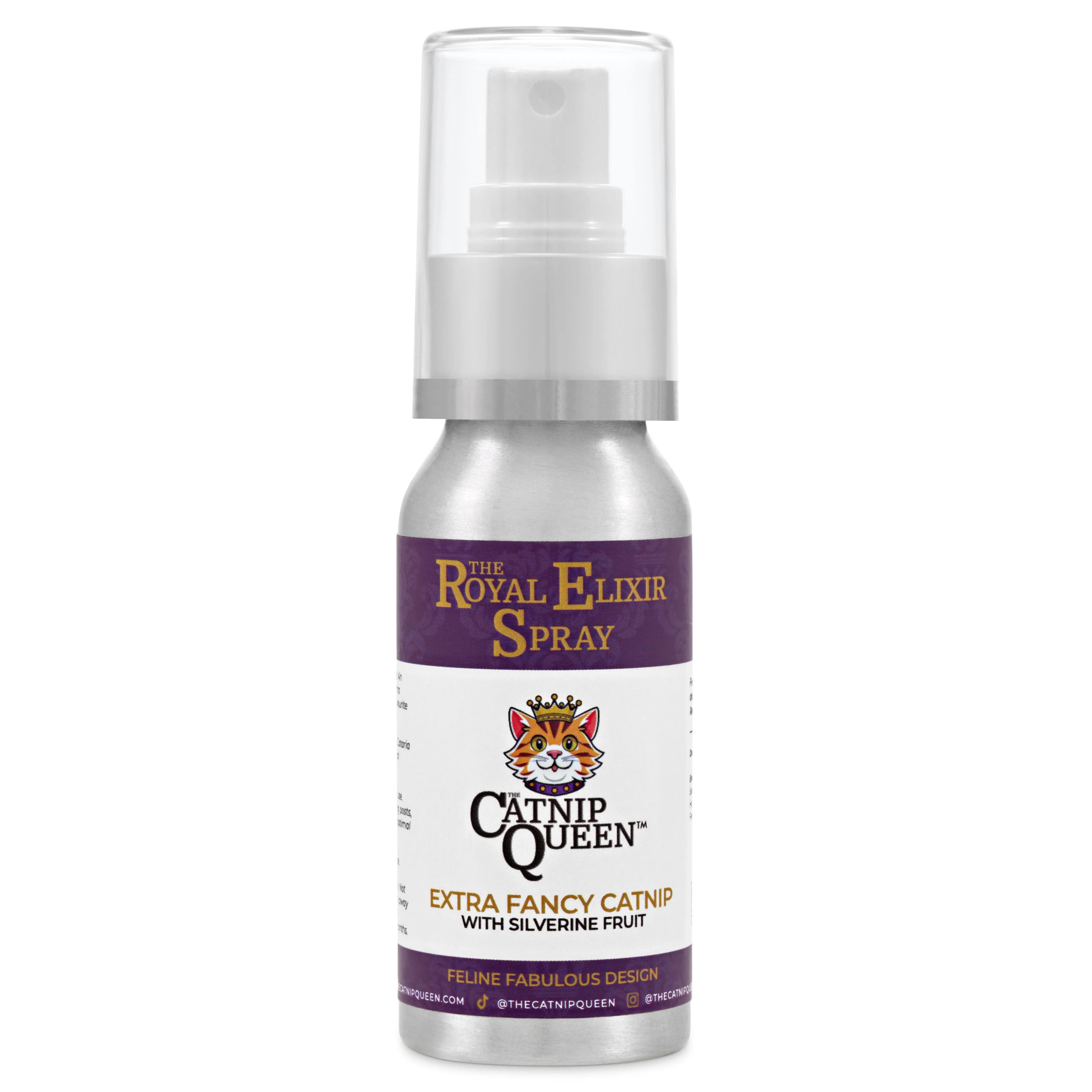
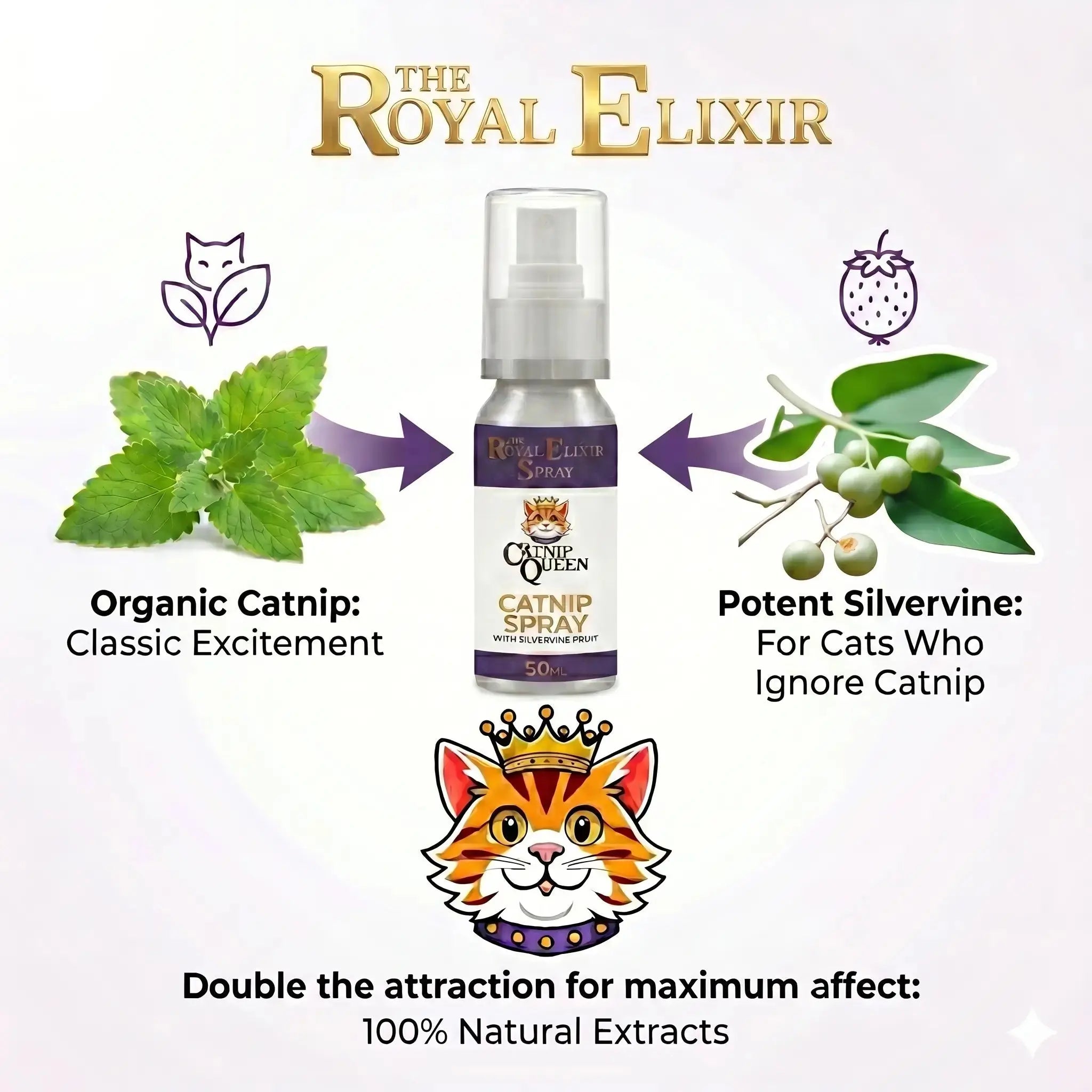
Mental engagement: non-negotiable and try catnip sprays to help get your older cat active again.
Cognitive dysfunction exists in cats, analogously to dementia in humans. The risk increases significantly after 15. The primary protective factor, as with human cognitive decline, is continued mental engagement.
Keep providing enrichment. Adapt the format: gentler play, puzzle feeders at easier settings, continued window access and sensory variety. Winston, now 13, gets a 10-minute wand session daily and takes it as seriously as he ever did. The intensity is lower. The engagement is unchanged.
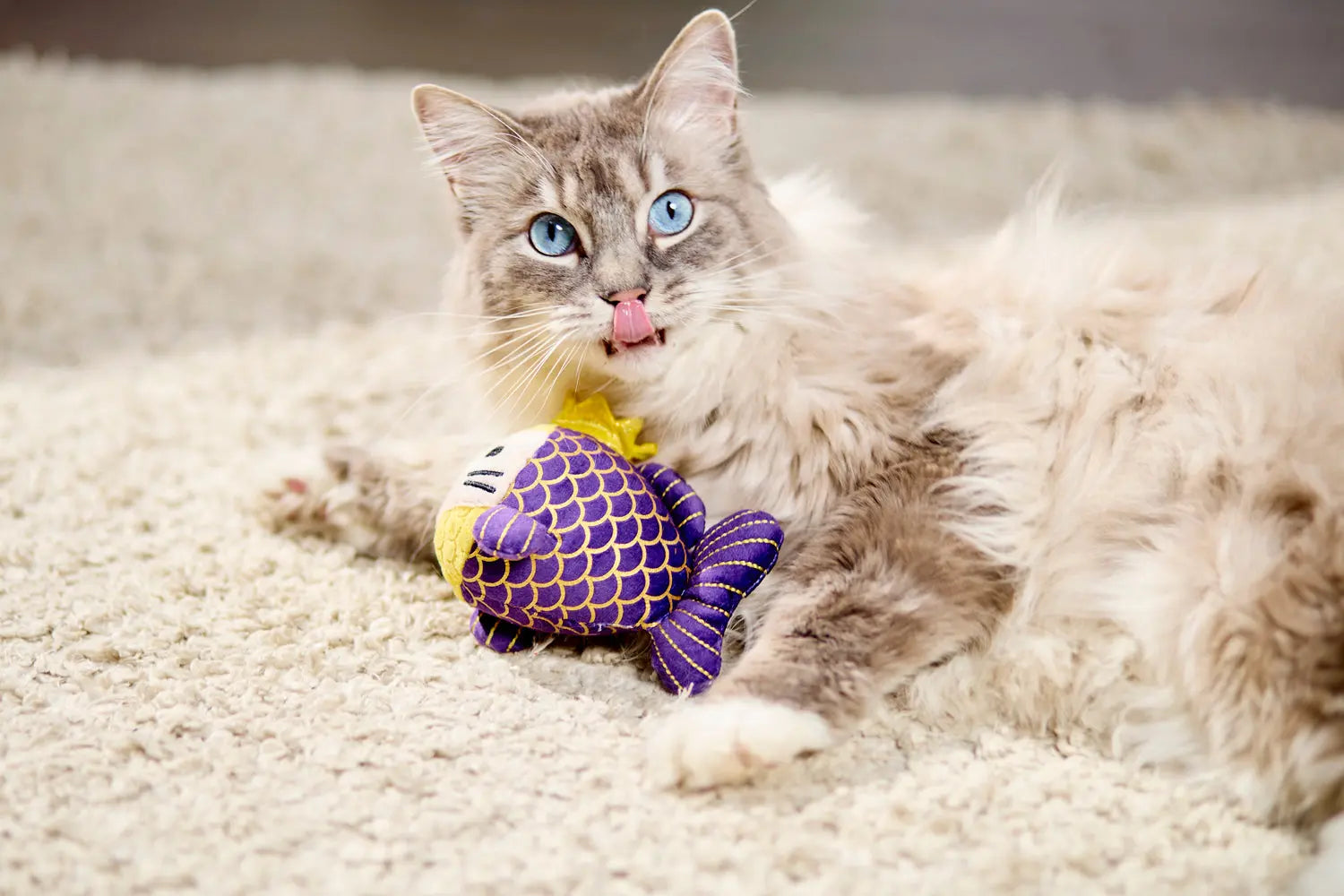
Catnip response is unchanged by age in cats who respond. If it worked at three, it works at thirteen. [Shop enrichment toys here.]
What you're actually managing
The goal in senior cat care is compression of morbidity — a longer period of good health, a shorter period of decline. The research on what achieves this is fairly consistent: appropriate nutrition, proactive veterinary monitoring, weight management, physical accessibility, continued mental stimulation.
It requires more attention than care at younger ages. It's worth it.
— The Catnip Queen x