Picture the scene: you've bought the "premium" catnip toy — glossy packaging, an influencer's name attached, twelve quid down — and your cat sniffed it once, walked away, and hasn't looked at it since. Meanwhile the £3 catnip mouse from three Christmases ago is still getting nightly assaults.
This isn't bad luck. It's what happens when a category built on genuine feline biology gets marketed like a fashion accessory. Catnip toys aren't a difficult category to get right. Most brands just aren't trying.
Here's what's actually going on, and how to choose one that works.
What Catnip Actually Does
Catnip — Nepeta cataria — contains a compound called nepetalactone. Cats detect it through scent receptors in the roof of the mouth, and in roughly 70–80% of cats it triggers the familiar response: rolling, rubbing, that slightly unhinged fifteen minutes of joy, followed by a nap.
The 20–30% who don't respond aren't broken. Sensitivity to nepetalactone is genetic, and kittens under about three months old typically don't react at all yet, regardless of pedigree. If your cat has never so much as blinked at catnip, the answer usually isn't "buy a stronger one." It's "try silvervine" — more on that below (or read our blog on Silvervine Vs Catnip)
The bigger issue with most catnip toys on the market has nothing to do with your cat's biology and everything to do with what's inside the toy. Nepetalactone degrades. Fast. A toy stuffed with low-grade, over-processed catnip filler loses its potency within weeks, which is why so many "premium" toys get one enthusiastic afternoon and then get ignored forever. It's not that your cat lost interest. It's that the toy stopped working.
Loose Catnip vs Infused Toys vs Refillable Design
There are three basic formats, and they behave very differently over time:
Loose catnip — sprinkled directly onto a scratching post, blanket, or the floor. Immediate and potent, but it doesn't last, and it makes a mess most living rooms can't sustain on a daily basis.
Sewn-in infused toys — catnip stitched permanently inside the fabric. Convenient, but once the scent fades, the whole toy is dead weight. This is the format responsible for most of that "great toy for two weeks" disappointment.
Refillable toys — a toy with a removable pouch or insert, so you replace the catnip rather than the toy. This is the format worth paying attention to. It's better for your cat (fresh potency every time), better for your wallet (you're buying catnip, not new plastic), and better for landfill — one well-made toy can outlast a dozen disposable ones. If you've ever wondered where all those single-use cat toys actually end up, we wrote a longer piece on that specific problem.
If you are interested in reducing cat toy waste, check our our blog >here<.
The Shapes That Actually Work
Not every cat plays the same way, and the shape of the toy matters more than the marketing photos suggest.
Wand toys — a stick, string, and something enticing on the end. These require you, which is the point: they're the closest thing to hunting-simulation play, and they're genuinely one of the best tools for bonding with an anxious or newly-adopted cat. Fifteen minutes of proper wand play does more for an under-stimulated indoor cat than almost anything else in this list.
Catnip mice — built for solo play. Batting, carrying around the house at 3am, the occasional dramatic "kill." Good for cats who prefer independence to an audience.
Kickers and sticks — elongated, grabbable shapes designed for the full-body "bunny kick." If your cat has ever attacked your arm mid-cuddle, this is the toy that redirects that instinct somewhere useful.
Balls and rollers — chase-and-bat play, best for cats who like a bit of chaos and a low barrier to entry.
Silvervine: The Alternative for Catnip-Immune Cats
If your cat is in that 20–30% who shrug at catnip, don't assume they're simply not a "toy cat." Silvervine (Actinidia polygama) works through a different set of active compounds, and a meaningful number of catnip-non-responders react strongly to it instead — sometimes even more intensely. It's worth trying a silvervine cat toy before writing off enrichment toys altogether.
How to Choose the Right One
Match the toy to the cat in front of you, not the one in the packaging photo:
-
High-energy hunters who stalk the laser pointer with real intent → wand toys, for interactive play that burns actual energy
-
Independent nappers who'd rather ambush a toy alone at 4am → catnip mice or kickers
-
Catnip non-responders → try a silvervine-blend toy before assuming the whole category isn't for them
-
Multi-cat households → refillable toys, so nobody's guarding the one good mouse
-
Anxious or newly-rescued cats → soft, quiet options without bells or crinkle — the goal is calm engagement, not more stimulation
This is enrichment in its most practical form: not a buzzword, just giving a cat something that matches how it actually wants to play.
Where We Fit In
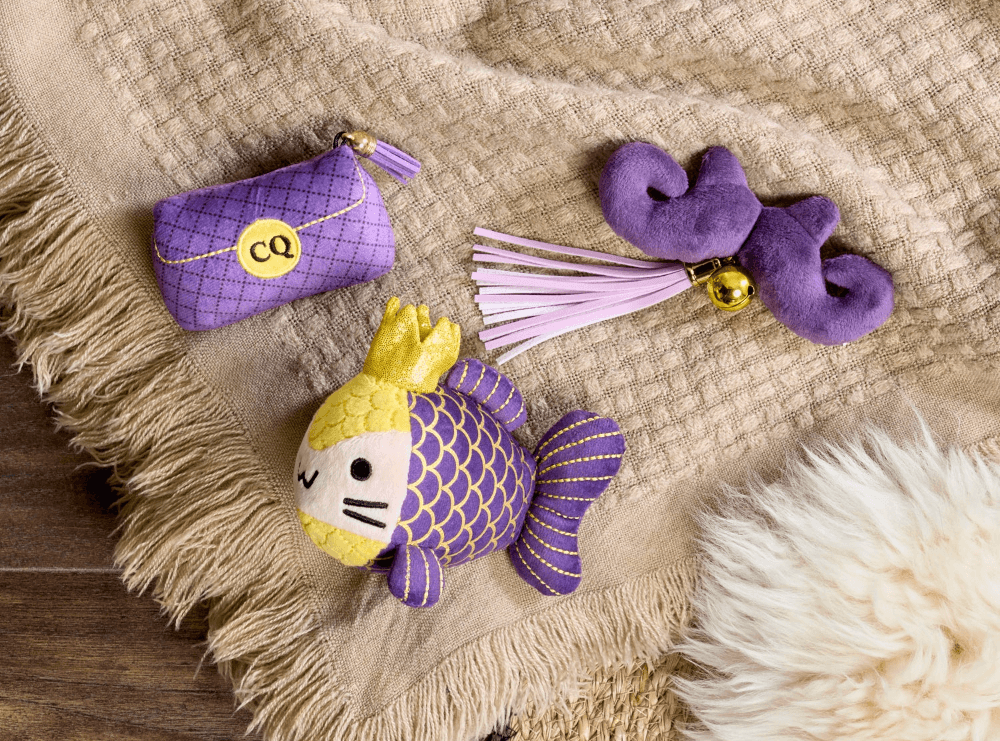
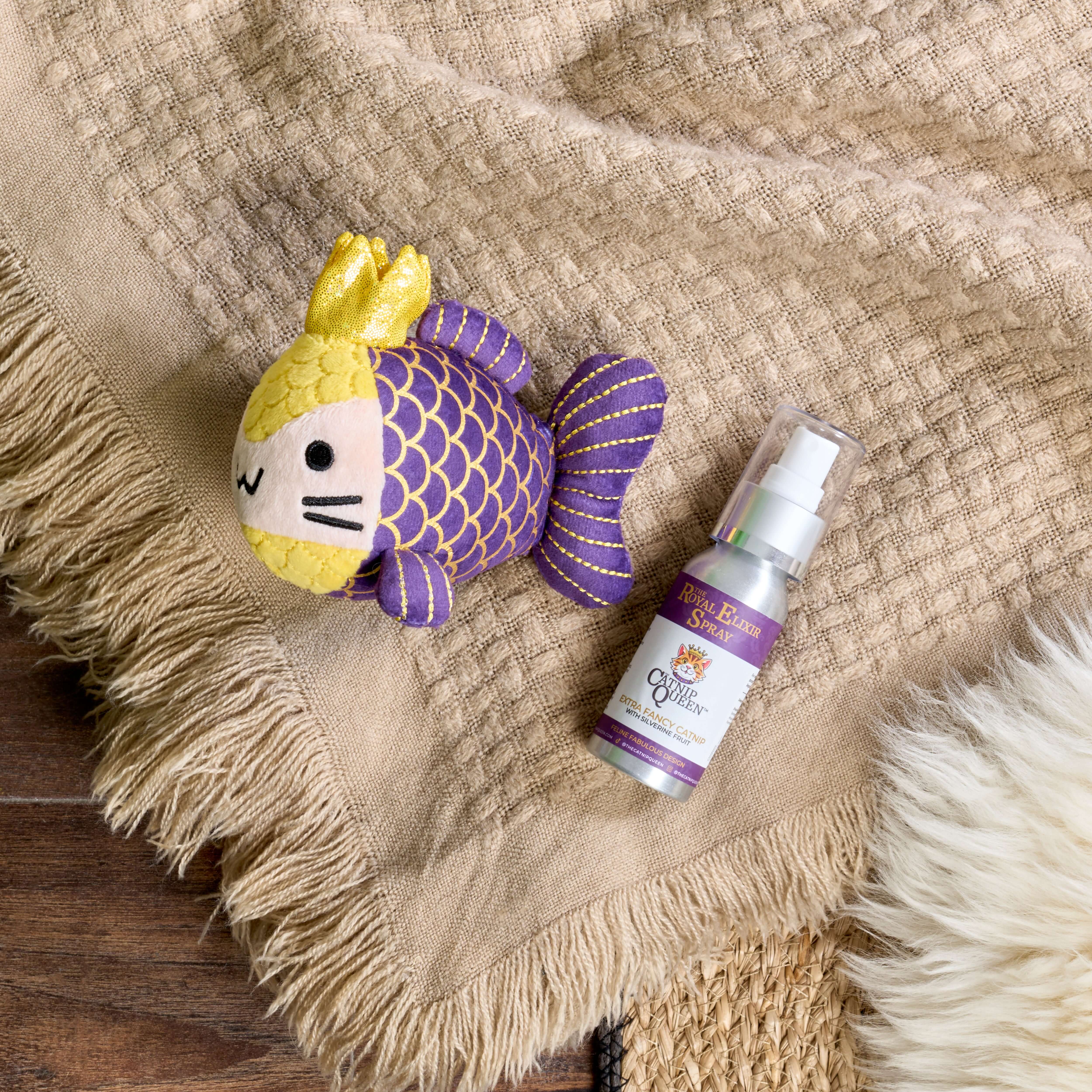
Every toy in our collection is built refillable by design, so you're replacing catnip rather than the toy itself — and every gift set pairs a toy with our Royal Elixir catnip and silvervine spray, for the cats who want both formats on hand. One per cent of every sale goes to Feline Care (Registered Charity No. 1144830).
None of that matters if the toy sits untouched after week two. So start with the biology, pick the shape that matches your cat, and let the catnip do the rest.