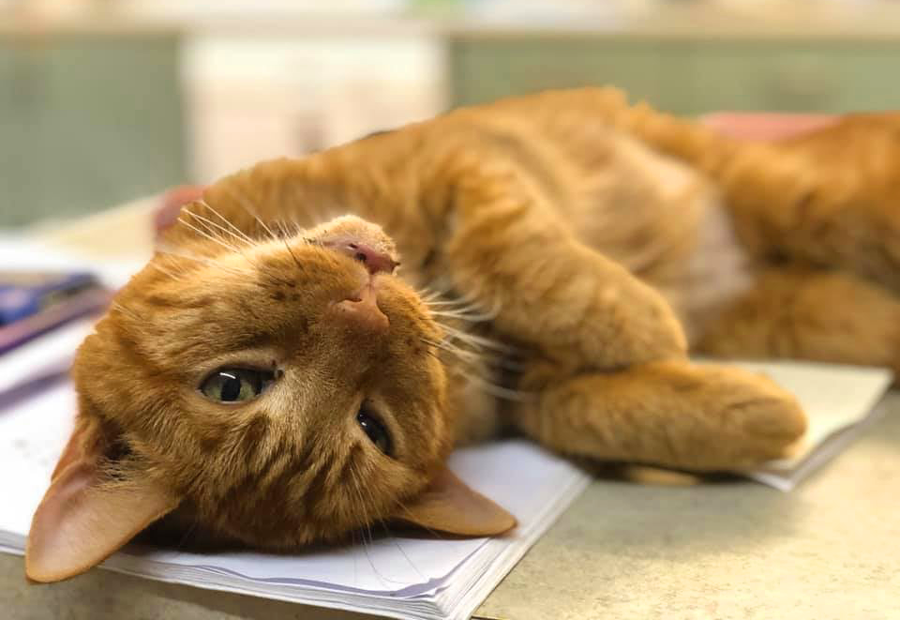
The alarm goes off at 7am and you're clinging to approximately one-third of the duvet. The rest has been claimed by a small, warm, completely unapologetic creature who arrived in the night and hasn't moved since. You notice, not for the first time, the little pulls across the cover you bought three months ago. The fur situation is best left without comment.
Here's the thing: most cat owners aren't going to banish their cat from the bedroom, and honestly, there's no need to feel guilty about that. What does need to change is the approach to bedding itself. Sharing bedding with cats creates two problems worth solving at the same time: making the shared bed more resilient, and giving your cat a spot so appealing that they actually choose it. Follow both, and everyone sleeps better!
By the end of this guide, you'll know which fabrics hold up best when it comes to bedding with cats, how to layer protection so your mattress survives the long term, and how to pick the right cat bed for your cat's age and personality. Practical, actionable, and yes, the solutions are all available in the UK.
The fabrics and fills that actually survive bedding with cats
Which bedlinen materials resist hair and launder well
Some fabrics collect cat hair like a magnet and begin pilling after only a few washes. Four materials consistently perform better than the rest: microfibre, cotton percale, bamboo/lyocell, and pure flax linen. Microfibre wins on hair resistance because its dense, smooth, low-static surface means fur shakes off rather than embeds itself into the weave. Cotton percale is tightly woven, breathable, and tolerates frequent high-temperature washes without degrading quickly.
Bamboo and lyocell fabrics are similarly smooth and low-static, making them a good option if you prefer something softer, and they tend to suit warm sleepers well. Pure flax linen, if you're buying natural fibre, is the better choice over blended versions; it's durable, machine-washable, and improves with every wash rather than deteriorating. What to avoid on the main bed layers: fleece, flannel, plush, and loose-knit textures. They trap hair deeply and snag on claws, which is a poor trade-off even when they feel wonderfully cosy.
Duvets and fills worth washing again and again
The fill inside your duvet matters as much as the cover on the outside. Synthetic polyester or polypropylene fills handle frequent washing far better than natural down, which can clump, develop odours, and lose its loft when washed repeatedly in a busy household. The most practical combination for bedding with cats is a removable duvet cover in one of the fabrics above, paired with a synthetic-fill insert that tolerates regular laundering.
Silk and hand-wash-only fills aren't just inconvenient around cats; they're genuinely impractical. Silk snags, dander removal by hand-washing is almost impossible, and no one wants to be hand-washing a duvet every few weeks. Stick to synthetic fills and save the beautiful materials for a bedroom that doesn't also contain claws.
Layering protection so your mattress and duvet survive the long term
Waterproof mattress protectors: your quiet first line of defence
A waterproof mattress protector does the work that no duvet cover ever can. It shields against liquid accidents, prevents hair from migrating deep into the mattress over time, and stops odours building up in a material you can't easily clean. A tightly woven, washable protector is the single most cost-effective addition for cat owners managing bedding with cats: replacing a mattress is expensive, and the protector costs a fraction of that.
Look for a fully encasing design rather than a simple pad that slides under the fitted sheet. Encasements create a proper barrier on all sides and stay put better when a restless cat is rearranging themselves at 3 a.m. Wash monthly, or immediately after any accident.
Best duvet covers for homes with cats who knead and scratch
No fabric is entirely claw-proof, but tight-weave microfibre and cotton percale resist snags better than loose-knit or plush alternatives. The weave simply leaves fewer loops and openings for claws to catch on. That means fewer pulls and a cover that looks presentable for longer.
One of the most practical tips for protecting your bedding with cats is the sacrificial blanket method. Place a washable cat blanket on the corner of the bed where your cat habitually settles. A large proportion of fur and many kneading snags tend to land on the blanket rather than the duvet. It goes in with the weekly wash, and your cover stays in good shape for considerably longer. A good blanket costs far less than replacing a duvet cover every few months.
Getting your cat to love their own sleep spot (and stay there)
Why cats gravitate to your bed and how to redirect that instinct
Cats choose your bed for entirely logical reasons: it's warm, it smells of you, and it's usually an elevated position with a good view of the room. Competing with that requires something equally compelling nearby, not just a flat cushion shoved in the corner and optimistically left.
The cat's new spot needs to be actively attractive. That means warmth, a familiar scent, and something genuinely engaging nearby. Positive reinforcement works far better than deterrents: reward the cat when they use their own bed, perhaps with a spray of catnip spray?
Redirect calmly without scolding if they climb onto the duvet, and repeat consistently. It takes time, but repetition and reward are what stick.
How catnip sprays and toys make a cat's own bed the place they choose
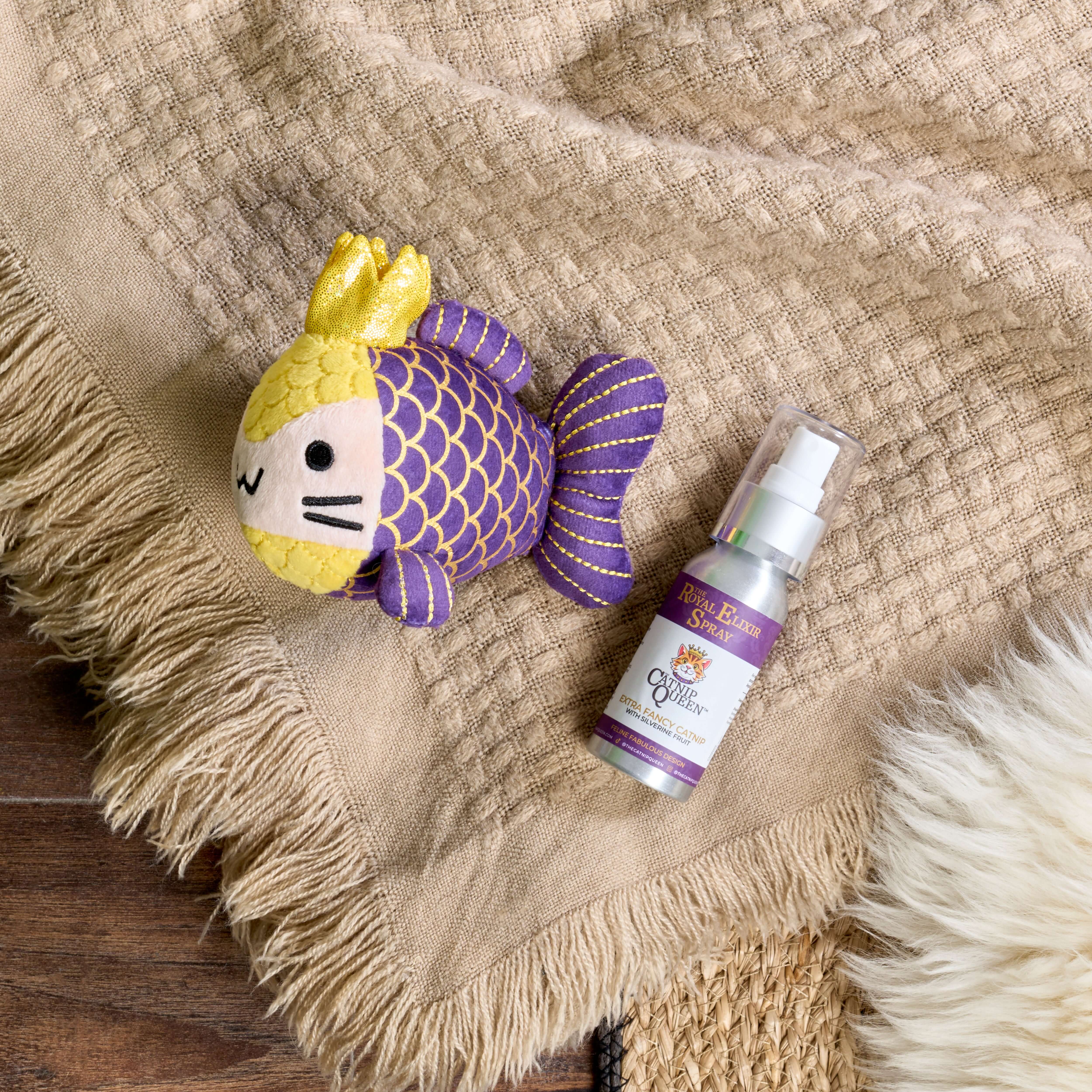
One of the most effective ways to draw a cat toward their own spot is an organic catnip or silvervine spray applied directly to their bed. Catnip and silvervine sprays stimulate a cat's natural play instincts and then often lead to a short calming period, effects typically last around 5 to 15 minutes, making the cat's bed feel like somewhere they actively want to be rather than somewhere they've been relocated to. A quick spritz can help lure a cat to their spot, and when used consistently alongside reward and routine, it can support longer-term behaviour change. The Catnip Queen offers a range of organic catnip and silvervine sprays designed with exactly this use in mind.
Pairing the spray with a refillable catnip toy placed nearby adds enrichment that holds the cat's interest. Refillable toys can be freshened up with a spray rather than replaced outright, which reduces waste and saves money over time. They're also designed to look intentional rather than like clutter, which matters in a bedroom.
Choosing a cat bed that suits your cat's age and personality
Cave, donut, and foam beds for kittens and adult cats
The right bed type really does depend on your individual cat's sleeping habits rather than a rigid formula. Donut beds suit cats that curl up tightly; they provide that enclosed, hugged feeling that many cats love. Cave beds work well for shy, nervous, or security-seeking cats who want to feel genuinely hidden. Foam beds, particularly those with a low lip, are better for cats that sprawl or like to stretch out fully rather than curl.
For kittens, cave and donut styles offer the enclosed warmth that feels most secure when they're still small and adjusting to a new environment. Watch how your kitten sleeps in the first few weeks and let that guide you. A cat that always tucks their nose under their tail wants a donut; a cat that flops across everything wants a flat foam bed with room to spread.
UK cat beds worth looking at, and what to expect to spend
There's a useful UK price map worth knowing before you shop. Budget options (roughly £12 to £20) include simpler donut and cushion beds from Trixie, Feandrea, and Bedsure, solid choices that cover the basics without overcomplicating things. Mid-range beds (around £20 to £40) from Rosewood and Pets at Home offer better construction and more style options. The Meowfia Premium Felt Cat Cave sits in this bracket and has over 16,000 reviews at 4.5 out of 5, which makes it worth noting.
Premium and specialist options (£40 to £95) cover orthopaedic memory-foam beds, heated beds, and anything with more considered design. If you have an older cat with joint issues, the extra cost of a good orthopaedic or heated bed is usually well worth it for both comfort and longevity. It's also worth checking whether a bed has a removable, washable cover, sometimes called a washable cat bed insert, before buying, because without one, hygiene becomes an ongoing issue.
Cleaning routines and allergy-friendly bedding for cat households
How often to wash and at what temperature
Concrete guidance is more useful than vague advice here, so here it is: wash duvet covers weekly if your cat sleeps on the bed, the duvet insert monthly, and the mattress protector monthly (or immediately after any accident). The pet blanket goes in with the weekly wash alongside the cover. Washing at 60°C is the most effective temperature for removing cat dander, allergens, and dust mites. Always check care labels first; bamboo and linen may need a cooler cycle to avoid damage, but even a thorough wash at a lower temperature is better than skipping the wash altogether.
Dry everything fully before putting it back on the bed. Moisture trapped in a synthetic fill or foam protector creates conditions that are unpleasant for everyone, including the cat.
Reducing dander for allergy-prone households
Living with a cat and pet dander allergies is a real challenge, and a manageable one with the right approach. Tightly woven fabrics create fewer surfaces for dander to settle into. Washable pillow encasements (not just protectors) that zip fully closed provide a proper barrier under your pillowcases. A HEPA air purifier in the bedroom makes a measurable difference to airborne dander, particularly overnight.
One practical habit that's easy to overlook: keep the bedroom door closed during the day when the cat isn't in there. Airborne dander from other rooms drifts in and settles on bedlinen continuously when the door stays open. Closing it for a few hours each day reduces overall accumulation, even when you're sharing the bed at night.
Keeping your bedroom looking deliberately stylish, not accidentally chaotic
Tonal layering and choosing colours that work with your cat
There's a straightforward style tip that makes a significant difference between washes: match or contrast your bedlinen to your cat's coat. A silver tabby owner might choose cool grey percale; a ginger cat owner might lean into warm terracotta linen. Hair is far less visible on a tonal background, which means the bed looks presentable for longer. Layering a good-quality throw in a complementary tone over the bed gives the cat a landing spot and gives the room a deliberately styled look rather than an afterthought.
Making cat accessories a feature of the room, not an eyesore
The right cat accessories don't need to be hidden away. A well-made fabric catnip toy sitting on a dedicated cat cushion in the corner of a bedroom reads as intentional styling rather than pet chaos. The Catnip Queen's range is designed with exactly this in mind: pieces that you'd leave out, not tuck under the bed when guests arrive.
That's really the whole point of this article reframed as a single idea: managing bedding with cats doesn't have to mean compromising the space. It means choosing the right materials, building the right habits, and picking products that are genuinely worth having. Your cat's not going anywhere. The bedding situation, though, is entirely fixable.
Start with one change and build from there
A cat-proof bedroom isn't about restriction; it's about making smarter choices for both of you. The three biggest wins are choosing the right fabric and fill, layering proper protection, and giving your cat a spot they genuinely want to sleep in. None of those require overhauling everything at once.
If you're starting from scratch, begin with the mattress protector or the duvet cover. Both make an immediate difference and cost far less than replacing what they protect. Once those are in place, the cat's sleep spot is the next project.
Start with one change to your bedding with cats, a well-chosen mattress protector, a tighter-weave cover, or a catnip spray applied to your cat's dedicated bed before your own bedtime routine, and build from there. The Catnip Queen's range of organic calming and stimulating sprays is worth exploring to find the right fit for your cat's personality; whether they need a little encouragement to explore their new spot or a calmer, more settled bedtime, there's something there worth trying. Both of you will sleep better for it, good luck!