A cat that suddenly starts rolling on the floor after sniffing a toy is not being mysterious for the sake of it.
Silvervine often triggers that kind of lively, curious response, which is why it has become a useful option for enrichment alongside catnip. For owners comparing a silvervine cat toy against regular catnip options, the main question is usually simple: what is it, how does it differ from catnip, and is it worth trying for a particular cat?
What Is Silvervine?
Silvervine is a natural herb cats react to mainly through scent, although some will also lick or chew it. It comes from the silvervine plant, a climbing vine native to parts of Asia, and the parts used for cats are usually dried sticks, powder, or infused toy fillings. The plant has a slightly woody, herbal look, which is one reason it shows up in cat enrichment products rather than everyday pet food. Cat owners often explore it as an alternative to catnip when a cat seems uninterested in familiar cat toys.
How Silvervine Affects Cats
The response to silvervine can be dramatic or barely noticeable, depending on the cat. Some roll, rub their cheeks, lick the surface, or dart around the room; others become calm and settled after a short burst of interest. These reactions usually come from sensory stimulation rather than anything harmful. The effect is temporary, often fading after a few minutes, which makes silvervine useful for short enrichment sessions rather than constant exposure. Because each cat’s sensitivity is different, silvervine and catnip can feel very similar for one cat and completely different for another.
Common Cat Reactions
Owners usually notice rubbing, sniffing, licking, rolling, pawing, and the occasional zoom around the room. These are typically playful, harmless behaviours linked to stimulation, not distress. A cat may also relax deeply afterwards, which can look like a little post-play nap. The main thing to watch for is intensity rather than drama; if the reaction is energetic but short-lived, that is usually just a normal response to an appealing natural herb.
Benefits of Silvervine for Cats
Silvervine may encourage movement in cats that spend too much time asleep or staring at the same window. That makes it useful for indoor cats, older cats that need a gentle nudge to engage, and bored cats that ignore standard catnip toys. In practical terms, it can turn a quiet afternoon into a brief play session. Some owners also use it as a low-key way to help cats settle, since the post-stimulation phase can look calming. The benefits are best treated as enrichment rather than a medical solution.
Silvervine vs Catnip
Catnip and silvervine are both plant-based cat attractants, but they do not act the same way. Catnip comes from the mint family, while silvervine is a different plant with its own compounds and scent profile. That matters because some cats respond strongly to one and barely react to the other. Silvervine is often considered the stronger option, and it may appeal to a wider range of cats, including many that ignore catnip entirely. For decision-making, the best choice often depends on the cat’s individual response, not on which herb has the bigger reputation.
| Feature |
Silvervine |
Catnip |
| Plant type |
Woody climbing vine |
Mint-family herb |
| Typical response |
Often stronger or broader |
Common, but not universal |
| Appeal |
May work for picky cats |
Familiar and widely used |
| Best use |
Alternative to catnip |
Classic enrichment option |
Which One Is Better for Your Cat?
The better choice depends on age, temperament, and what a cat already enjoys. A confident young cat may love either one, while a senior indoor cat might prefer the scent and texture of one over the other. The most reliable approach is to try them separately and watch the reaction. That gives a clearer picture than choosing based on trend or label alone. For multi-cat homes, individual preference can vary enough that both products end up useful in different rooms or at different times.
Is Silvervine Safe for Cats?
Silvervine or a Silvervine Cat Toy is generally considered safe when used appropriately. Moderation matters, especially with powder and chewable forms, because too much stimulation can leave some cats overstimulated or restless. Sticks can also create choking or splinter risks if they fray, so damaged pieces should be removed promptly. As with any enrichment product, supervision is sensible the first few times. If a cat shows unusual symptoms such as vomiting, drooling that seems excessive, or ongoing discomfort, a veterinarian should be contacted.
How to Use Silvervine for Cats
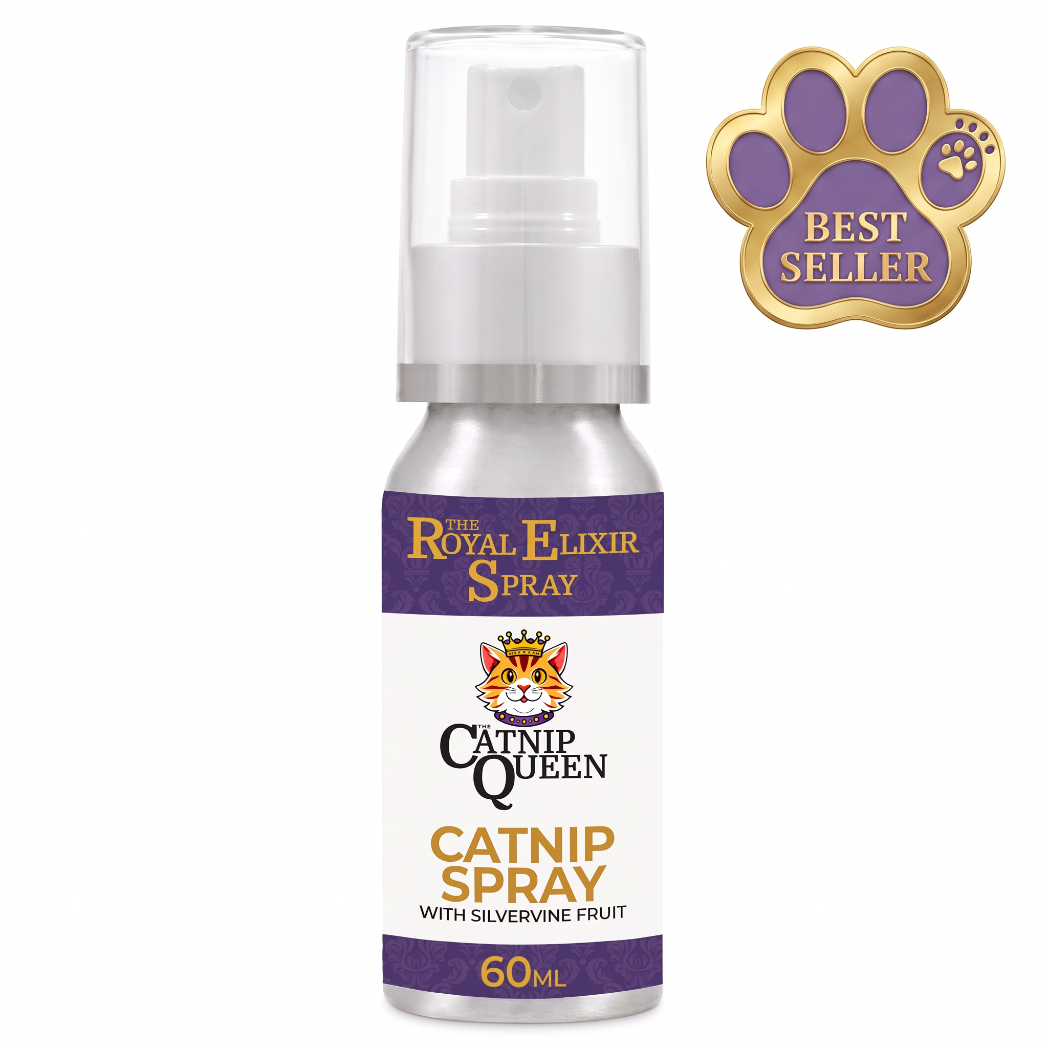
Silvervine appears in several common forms: sticks, powder, sprays, and toys with silvervine inside or infused into the fabric. Each format suits a different purpose. Powder can be sprinkled on scratchers, toys, or beds to spark interest; sprays work well for quick refreshes; sticks invite chewing and batting. For first-time use, a small amount is usually enough. That makes it easier to gauge the cat’s reaction without turning the session into sensory overload. Short, supervised use tends to work better than leaving it out all day.
Best Ways to Introduce It
Start small, then watch whether the cat leans in, rolls, or ignores it. A little on a toy or scratcher often gives the clearest read. If the response is strong, use it less often and avoid repeating the same setup every day. Silvervine can be especially effective when placed on cat toys a cat has already chosen, because familiarity lowers hesitation and makes the scent more inviting.
Best Cats Toys and Products with Silvervine
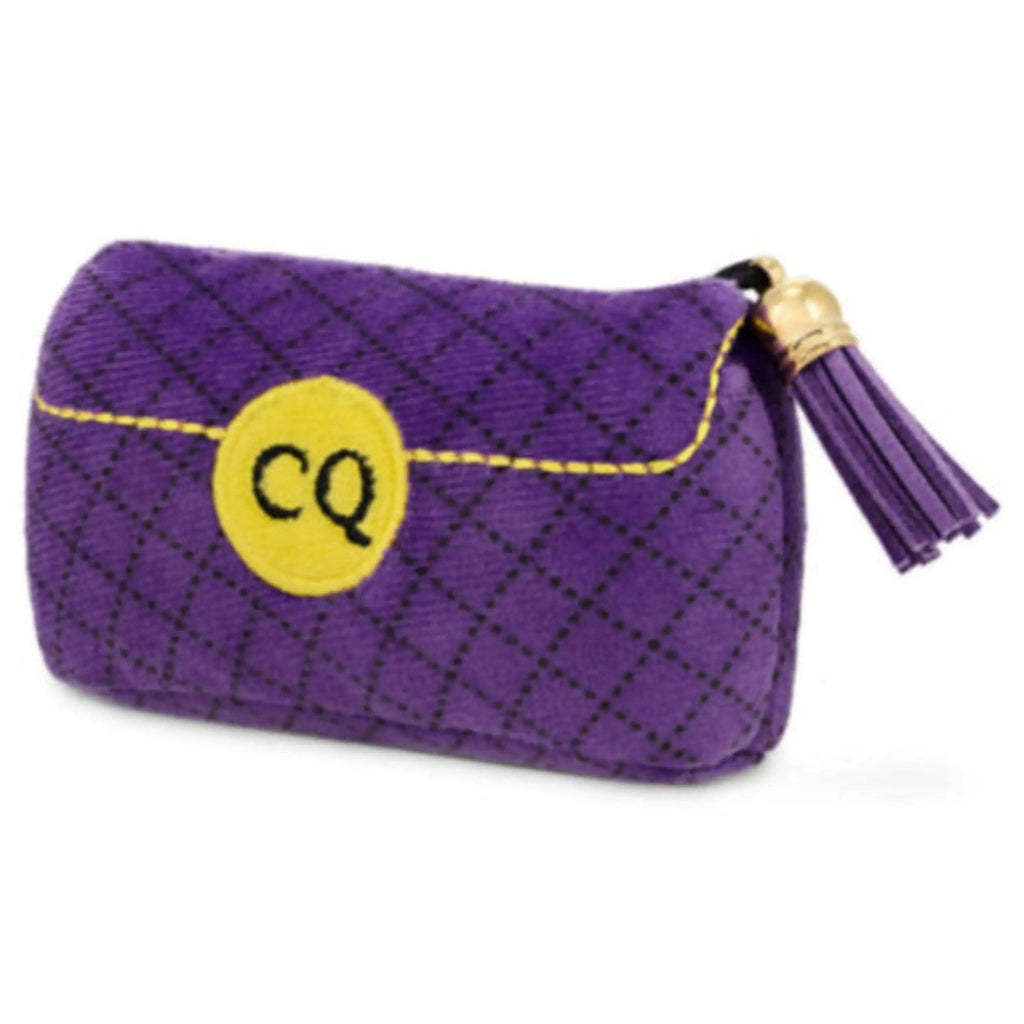
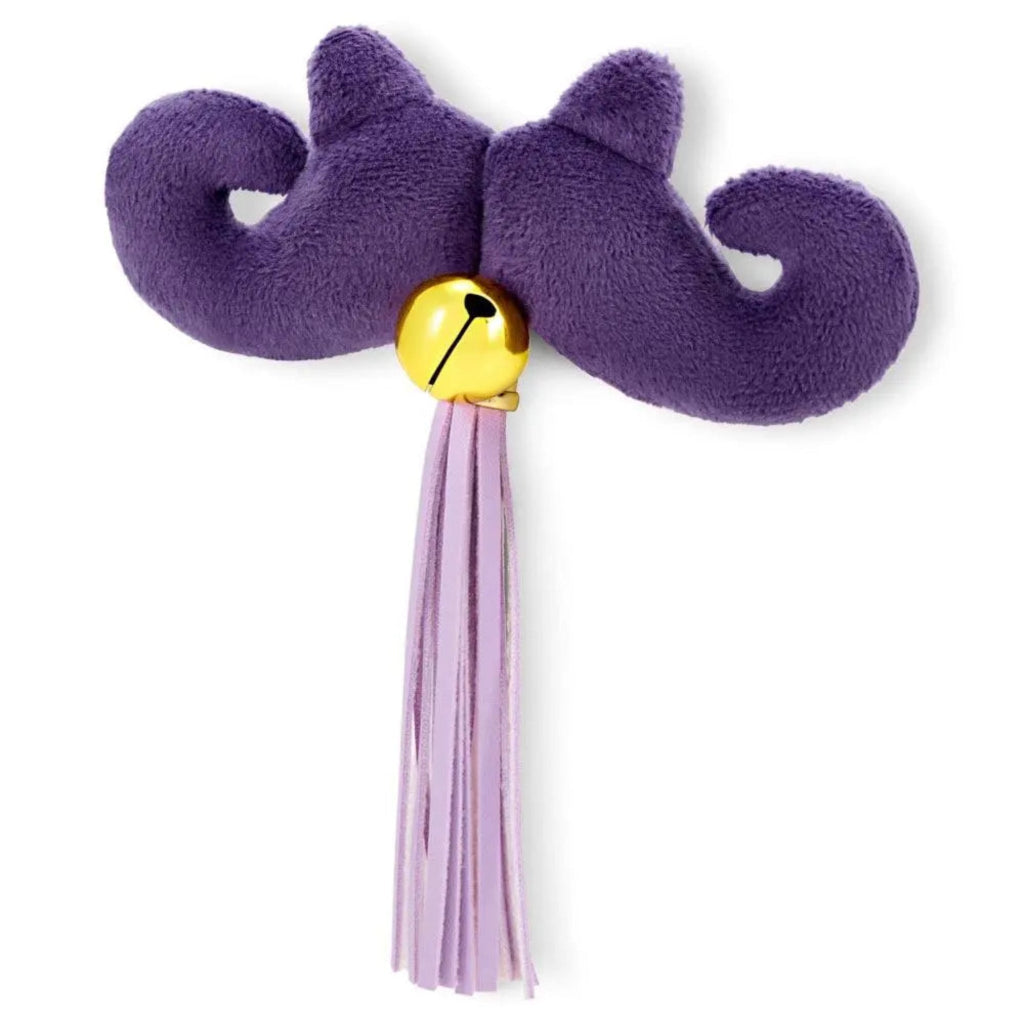
Silvervine is often used in cat toys, toy bundles, and refreshable enrichment products because it gives owners a reusable way to renew interest. Combining it with catnip may help when a cat responds to both, and it can be useful in homes with mixed preferences. When choosing products, look for durable stitching, minimal shedding, and safe refill or spray formats. For indoor cats, a reusable toy with an organic catnip and silvervine formula can offer a cleaner, more flexible enrichment routine than a one-off novelty item.
When Silvervine May Not Work
Not every cat responds, even to a high-quality product. Kittens may show less interest, and some pregnant cats can react differently as well. That is usually normal, not a sign that the product is faulty. If there is little or no reaction, it helps to treat silvervine as one option in a wider enrichment plan rather than a fix that must work every time. Scratching posts, puzzle feeding, and different catnip and silvervine combinations can all play a role.
Silvervine FAQ
Short answers help here: cats can interact with silvervine, but the right form matters; use it occasionally rather than constantly; and it is generally not considered toxic to cats when used as directed. Other pets should not be encouraged to chew cat products. If a cat has an unusual reaction, stop use and check with a vet.
Can Cats Eat Silvervine?
Some product forms are made for chewing or licking, especially sticks and certain infused toys. Owners should follow the product directions closely and remove damaged pieces.
How Often Should You Give It?
Occasional use is usually the better approach. Watch how strongly the cat responds, then adjust the frequency to match interest and tolerance.
For many households, silvervine works best as a rotating enrichment tool rather than a constant fixture. That makes it easy to compare reactions, keep sessions fresh, and decide whether it belongs in a regular cat care routine alongside a catnip and silvervine toy bundle or other cat toys.