This question comes up constantly. The short answer is yes. Here's the complete picture.
The active compound and what it does
Nepeta cataria — common catnip — contains nepetalactone, a bicyclic monoterpenoid that binds to feline olfactory receptors and triggers a temporary neurological response in genetically susceptible cats. The response typically lasts 5 to 15 minutes and is followed by a refractory period of roughly 30 minutes to two hours during which the cat won't respond.
The neurological effect is stimulatory: rolling, vocalisation, rubbing, sometimes mild aggression or heightened energy. It has been compared pharmacologically to feline sex pheromones. It is not a hallucinogen in any mechanistic sense, though the colloquial description persists.
Is it toxic?
No. Catnip is non-toxic to cats at normal exposure levels. The ASPCA lists it as non-toxic. The mechanism produces a behavioural effect, not a biochemical harm.
In very large ingested quantities, catnip can cause mild gastrointestinal upset — drooling, vomiting, or diarrhoea. This is generally self-limiting and does not require veterinary intervention. The practical scenario: a cat who destroys a toy and consumes the filling. Unpleasant temporarily, not dangerous.
Is it addictive?
No. The refractory period after each exposure is a neurological reset, not a withdrawal state. Cats don't develop dependency on catnip. They don't seek it compulsively or display distress in its absence. You can offer it freely without concern about creating a habit.
What about kittens?
Catnip response develops with sexual maturity. Kittens under roughly six months typically show no response or an atypical one. There's no harm in exposure, but you're unlikely to see the characteristic reaction. Wait until six months and try again.
What actually warrants attention
The nepetalactone itself is safe. The toy construction and catnip source are where legitimate concerns live.
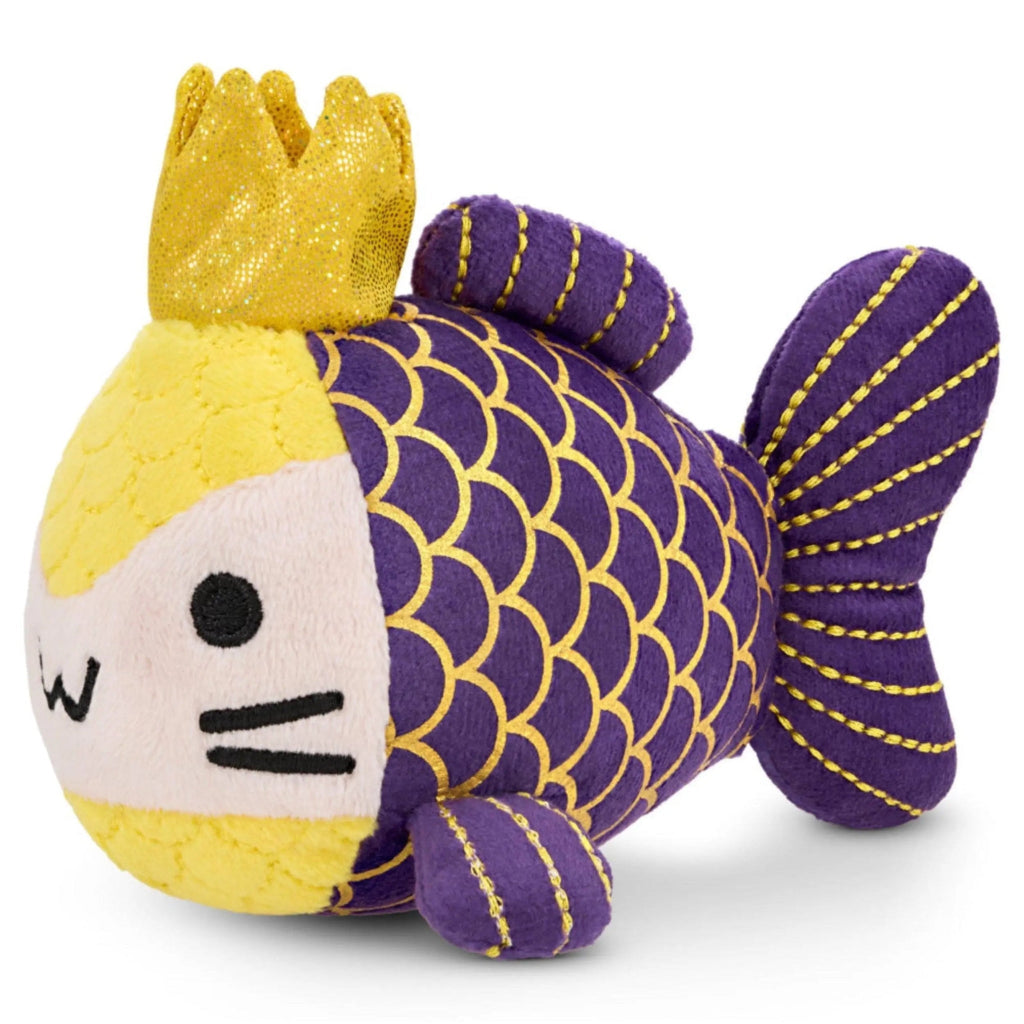
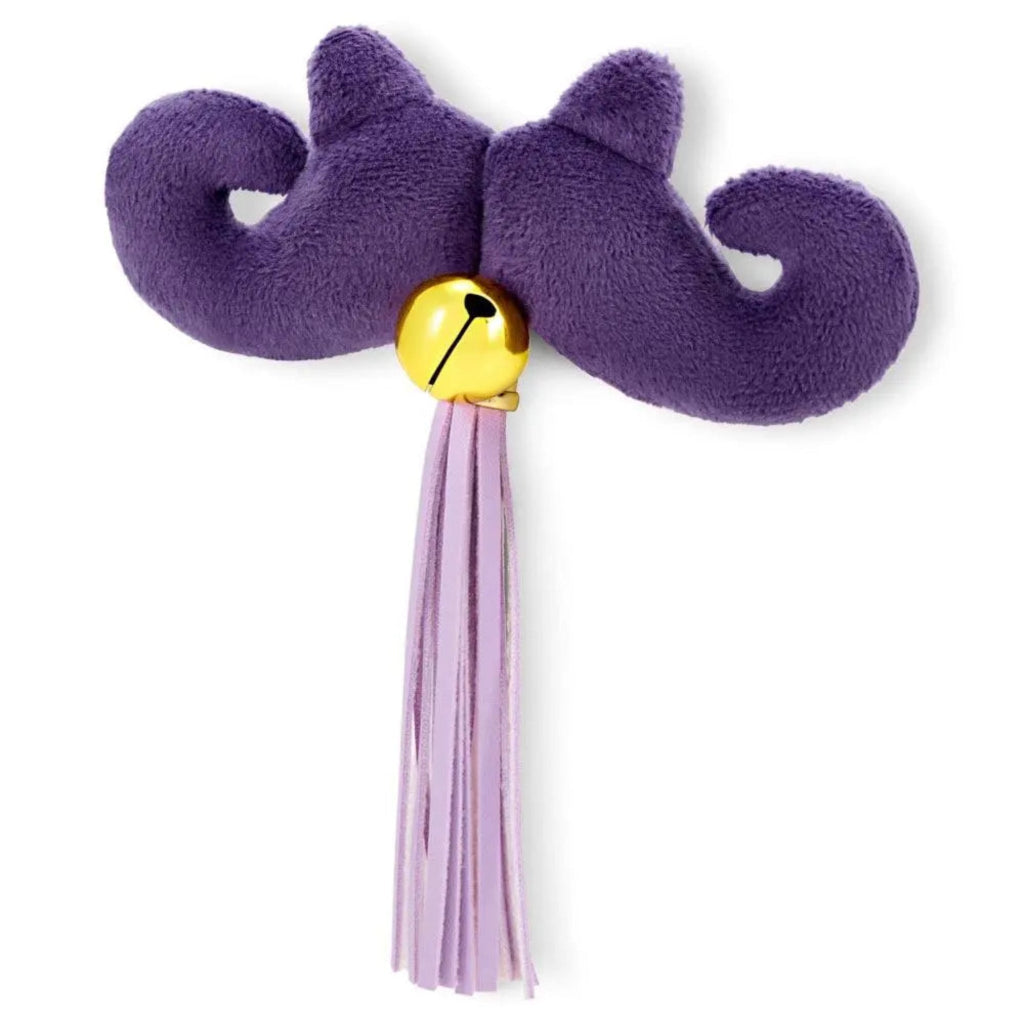
Toy construction: cat toys containing small parts — bells, feathers attached by short strings, loose eyes — present choking hazards under enthusiastic use. Supervision for the first session with any new toy is sensible. Choose toys with construction that tolerates normal feline engagement.
Catnip source: "catnip-scented" toys using synthetic fragrance are not the same product as toys containing actual Nepeta cataria. The fragrance carries no therapeutic effect and has not been subject to the same safety assessment as the plant compound. Organic, traceable catnip from a named source is the straightforward choice.
Pesticide residue: catnip is a product your cat will be rubbing on their face and potentially ingesting. Organic certification means the relevant pesticides weren't applied. It's not a luxury consideration.
The honest summary
Catnip toys, made correctly with quality catnip, are safe. The research is consistent on this. The caveats are around construction quality and source transparency — both of which responsible brands address upfront.
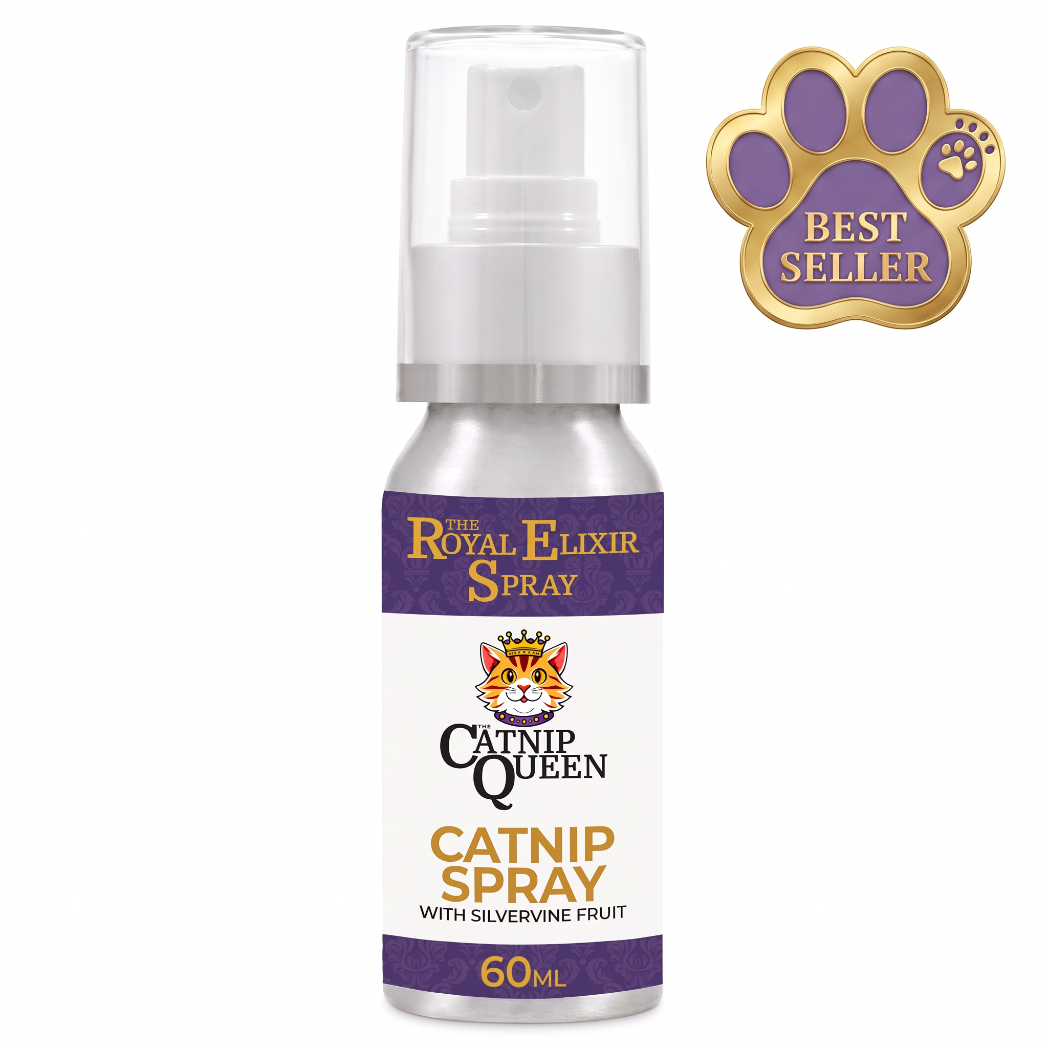
If yours doesn't tell you where the catnip comes from, that's worth asking and if you would like to try a potent organic version try our Catnip Spray with Silvervine.
— The Catnip Queen x