There's a version of cat ownership that looks competent from the outside and quietly unravels by month three. The litter box situation gets complicated. The scratching becomes structural. The 4am behaviour you assumed was a phase has, it turns out, become permanent.
Most of this is preventable. Most of it isn't covered in the leaflet the rescue centre hands you on the way out.
Here's what actually matters.
The basics nobody makes sufficiently clear
Cats are not low-maintenance. They're self-sufficient, which is different. The distinction matters because self-sufficient animals still have needs — territorial, sensory, social, physical — they simply won't verbalise them in ways you can easily decode. What you get instead are behavioural indicators: overgrooming, aggression, elimination outside the litter box, the 3am chaos routine that everyone describes as personality and nobody addresses as what it actually is.
Good cat care means reading the behaviour before it escalates. That starts with understanding what a cat needs at baseline.
Nutrition: get this right before anything else
High-protein, species-appropriate diet. Cats are obligate carnivores, which sounds obvious until you read the ingredients on most budget wet food. Taurine, arginine, arachidonic acid — these are non-negotiable nutrients cats cannot synthesise in sufficient quantities on their own. Deficiencies show up slowly and expensively.
The honest position on dry food: it's convenient, it's calorie-dense, and cats fed exclusively on it frequently don't drink enough water to compensate. Chronic mild dehydration is a contributor to urinary tract disease, which is among the more common — and more preventable — feline health issues. A mix of quality wet and dry, or wet-only, works better for most cats. If yours drinks a lot of water relative to a primarily wet-food diet, that's worth noting at the next vet visit.
Fresh water, multiple locations, changed daily. Some cats have strong preferences about bowl material (ceramic over plastic, for what it's worth). If yours isn't drinking enough, try a fountain — the movement triggers drinking instincts.
Veterinary care: the schedule that prevents larger bills
Annual health checks from year one. Vaccinations per your vet's protocol — core vaccines cover feline herpesvirus, calicivirus, and panleukopenia. Parasite control monthly, or as directed. Dental checks annually; dental disease affects the majority of cats over three and connects to systemic issues including kidney and heart disease.
Neutering, if you haven't already: around four months is current guidance, though your vet will advise based on breed and development. Beyond the obvious population argument, neutering reduces roaming, fighting, and certain hormone-related health risks.
Pet insurance: worth having before you need it. A single emergency treatment easily exceeds £1,000. A good policy costs less per year than one specialist consultation.
Litter boxes: the rule you're probably breaking
One litter box per cat, plus one extra. This is not a suggestion. In multi-cat households, shared boxes create competition and stress. Covered boxes retain odour that cats find off-putting even when the box appears clean to you. Location matters: not near food, not in high-traffic areas, not somewhere that requires a journey. Scooped daily, fully emptied and washed weekly.
If a cat is eliminating outside the box, the first question is not behavioural — it's medical. Urinary tract infections and kidney issues present this way. Vet visit first, behaviour assessment second.
Scratching: redirect before you lose a sofa
Scratching is not destructive behaviour. It's territorial marking, claw maintenance, and stretching — all normal. The mistake is trying to stop it rather than redirect it.
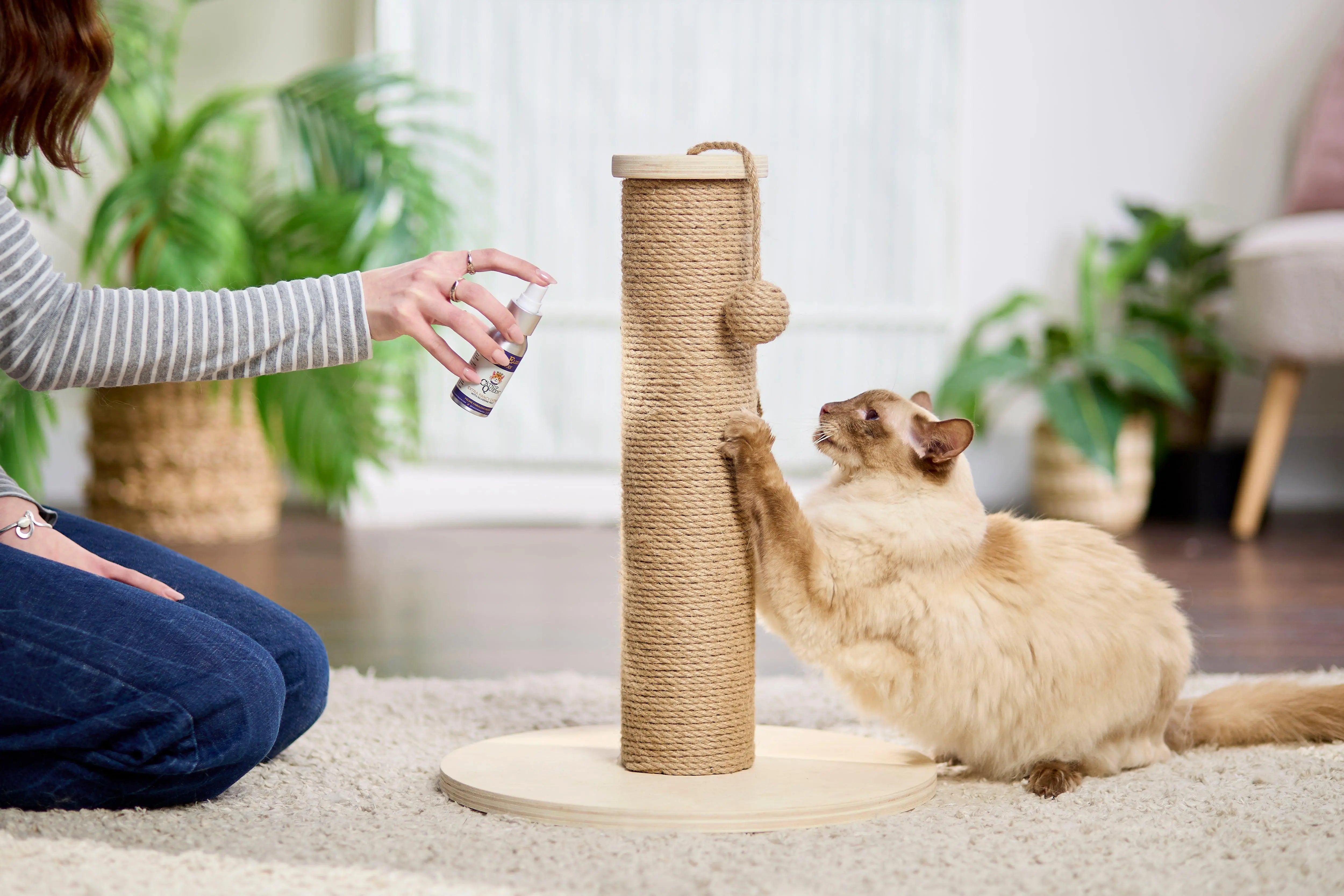
Sisal posts, tall enough that your cat can stretch fully. Horizontal cardboard options for cats who prefer flat surfaces (many do). Placed near sleeping areas and near the furniture they're currently using. If they're scratching the sofa, it's because the sofa is in the right location and the right height — your scratcher probably isn't.
Double-sided tape on the sofa arm while you establish the alternative works. Punishment doesn't — it damages trust without resolving the underlying need.
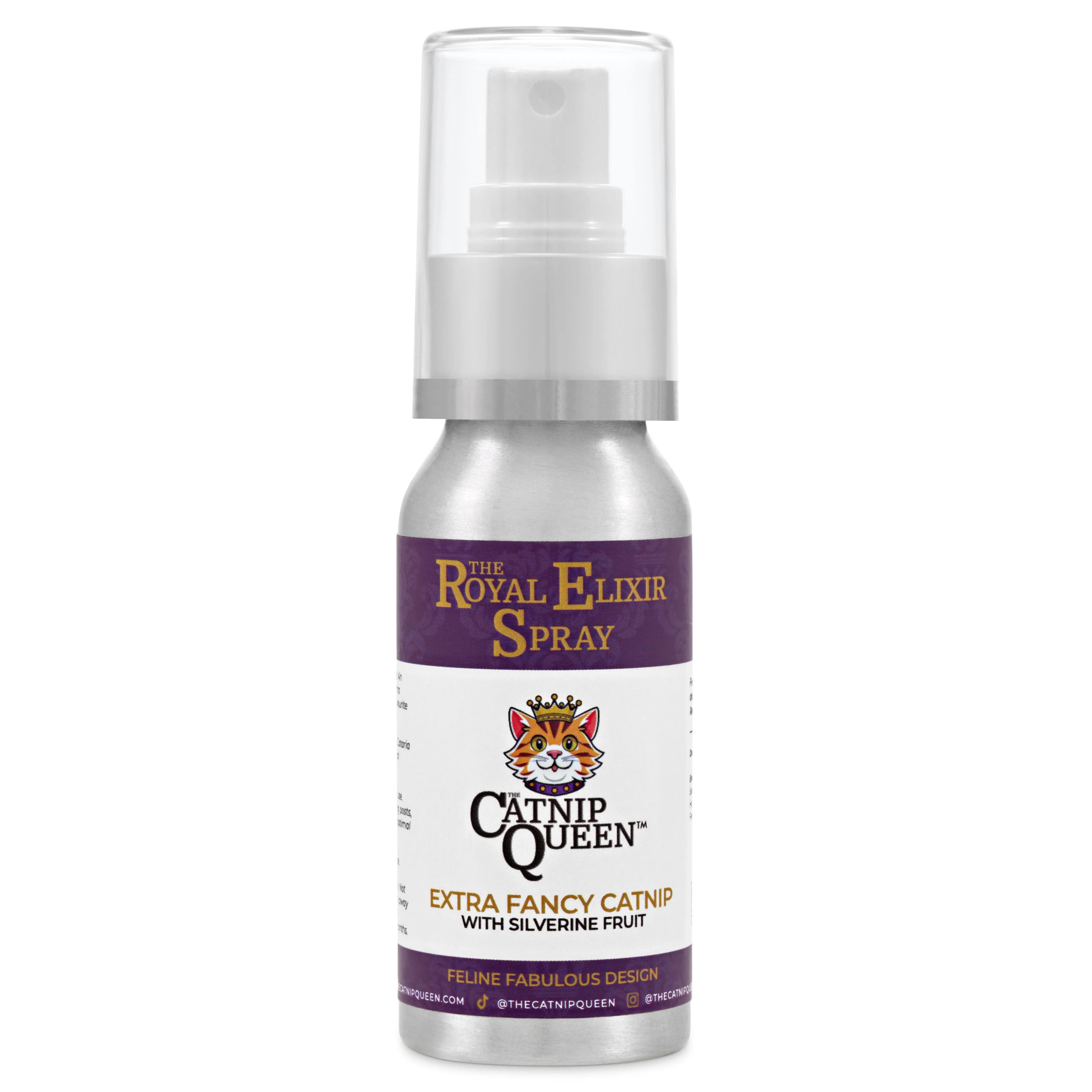
Try spritzing a scratching post with catnip spray to encourage use.
Enrichment: the thing most cat owners underdo
Indoor cats live two to five years longer than outdoor cats on average. They also live in a controlled, unchanging environment that provides essentially zero of the sensory variety, territorial exploration, and hunting opportunity that their outdoor counterparts get daily.
The result is boredom. Boredom produces the furniture scratching, the night-time disruption, the overgrooming, the attention-seeking that read as personality quirks rather than what they are: a cat telling you the environment isn't working.
Fifteen minutes of interactive play daily, with a wand toy or similar — not a ball left on the floor. Rotation of toys rather than permanent access (cats habituate to constant stimuli; the toy isn't boring, the fact that it's always there is). Vertical space: cat trees, wall shelves, window perches. Multiple hiding spots. Sensory variety.
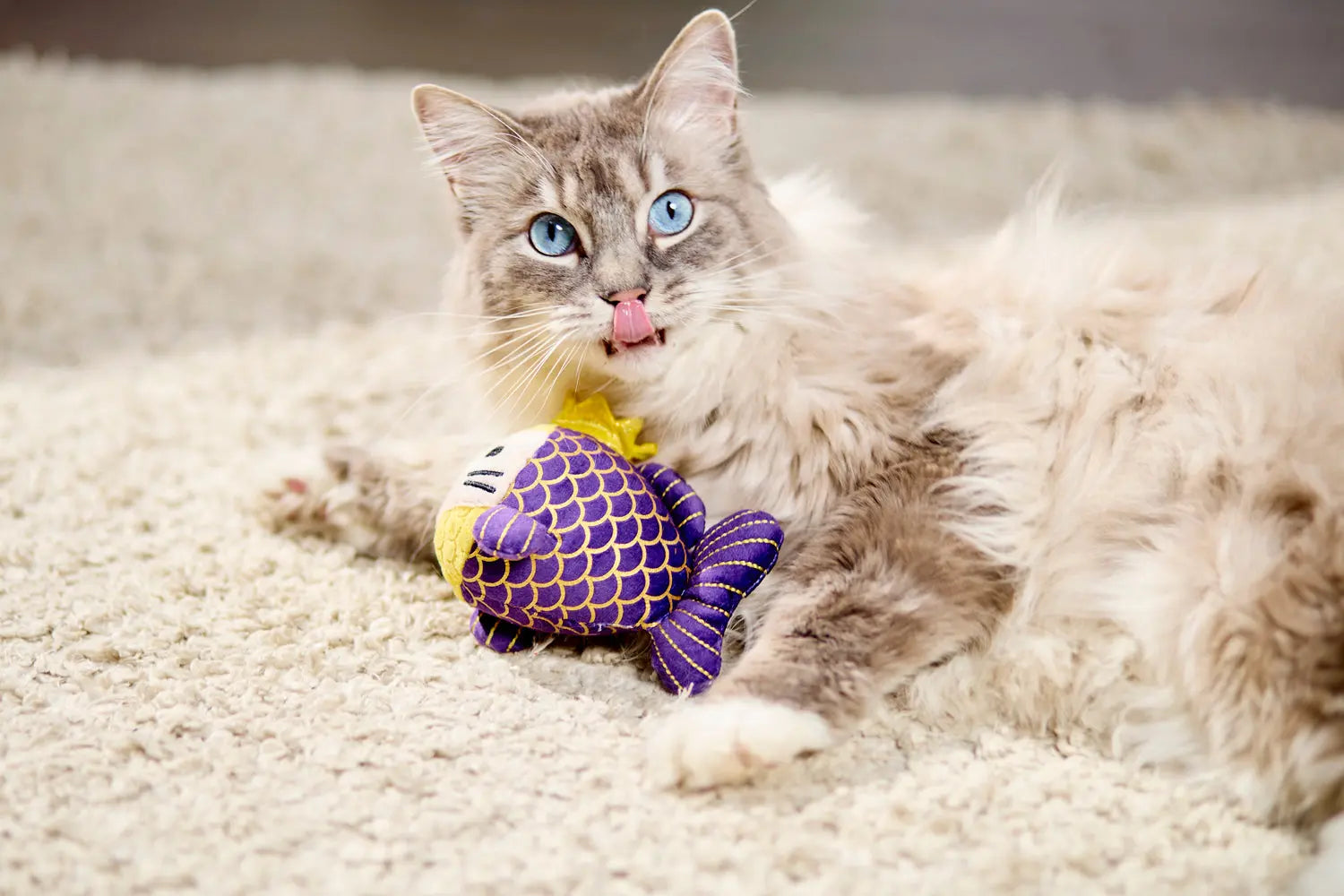
Therapeutic-grade catnip toys, rotated properly, add meaningful stimulation for the roughly 70% of cats genetically responsive to nepetalactone. [Shop the catnip collection here.] The 30% who aren't responsive are not broken; they just need enrichment that doesn't rely on catnip response.
Social needs: the introvert-extrovert spectrum
Cats vary considerably in how much human interaction they want. Some are genuinely sociable. Many prefer proximity without contact. Most have a clear threshold for handling that owners routinely exceed without realising.
The indicators that your cat wants contact: slow blinking, approaching and bumping with their head, sitting near rather than away from you. The indicators they'd like to be left alone: tail lowered, ears back or sideways, pupils dilated, skin rippling. Learn these. They prevent a significant proportion of cat-human conflict, including bites that the cat signalled extensively before delivering.
What good looks like
A cat in good health and appropriate environment: alert, engaged, good coat condition, eating consistently, sleeping roughly 12 to 16 hours (not significantly more). Social enough, on their own terms. Using the litter box reliably. Not overgrooming or hiding more than usual.
Anything that departs from baseline is worth noting. Cats are evolutionarily inclined to mask illness — in the wild, visible weakness attracts predators. Your job is to notice the subtle shifts before they become significant ones.
Questions about specific situations? DM us. We've seen enough of them to have useful opinions.
— The Catnip Queen x
1% of every Catnip Queen sale goes directly to Felinecare, who do the hard, unglamorous work of rehabilitating cats the system wrote off.