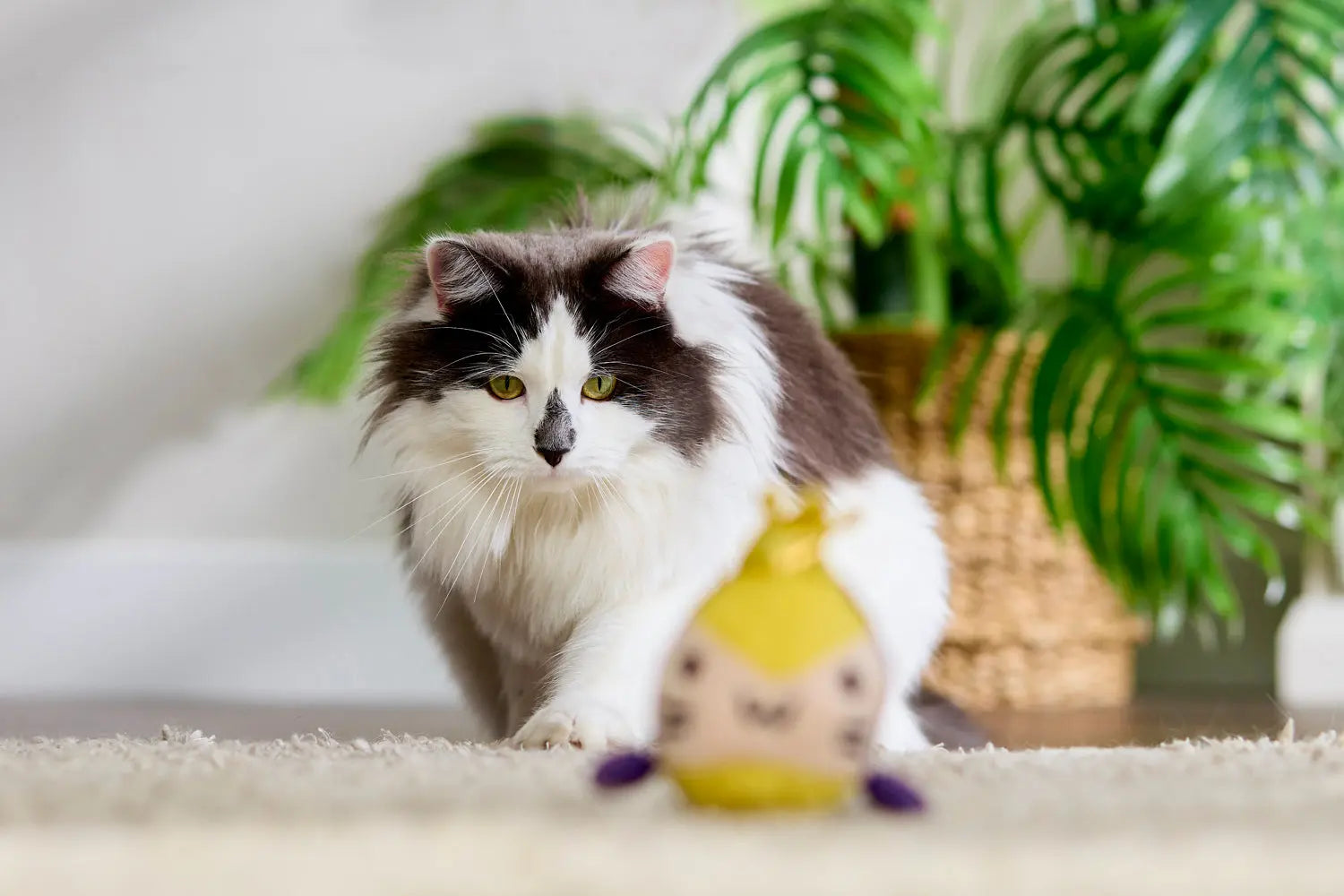
Your cat slept a bit more than usual last week. Moved a little slower on the stairs. Was less interested in the morning play session that used to occupy twenty minutes of enthusiastic predatory behaviour.
You might have filed it under "she's just getting older." You're probably right. The question is what that actually means in practical terms.
When does a cat become elderly?
Senior typically starts around 11. Geriatric around 15. Both terms are somewhat arbitrary — individual variation matters more than the number. A well-cared-for 14-year-old often presents more vitally than a poorly-managed 10-year-old. The indicators matter more than the age.
What changes as cats age: metabolic rate slows, lean muscle mass decreases, immune response weakens, joint flexibility reduces, sensory acuity (hearing, vision, smell) typically declines. The kidneys are the organ most commonly implicated in feline ageing — chronic kidney disease affects a significant proportion of cats over 12. Dental disease accumulates. Hyperthyroidism and hypertension become more common.
None of this is inevitable in the acute sense. Much of it is manageable if you're watching.
The signs worth paying attention to
Weight loss, even subtle. In an elderly cat, this warrants a vet visit rather than a wait-and-see approach — it can indicate kidney disease, hyperthyroidism, dental pain, or cancer. Weigh your cat monthly and record it.
Increased water consumption and urination. Again, kidney and thyroid flags.
Changes in coat condition. Less grooming (mobility or dental pain), over-grooming (pain, anxiety), dry or matted coat.
Sleeping significantly more than usual, or in different locations. Choosing ground-level spots over previously preferred heights often indicates joint pain.
Vocalisations at night. Disorientation, hypertension, cognitive dysfunction. Not just "being noisy."
Changes in litter box behaviour. Both constipation and inappropriate elimination.
The rule is: anything that represents a departure from baseline is worth noting and, if it persists beyond a few days, discussing with your vet.
What changes in terms of care
Nutrition: elderly cats often benefit from higher protein to maintain muscle mass (contrary to older guidance that reduced protein for kidney cats — current evidence supports adequate, quality protein for most). Senior formulas tend to have higher digestibility. Palatability matters more too — reduced smell acuity affects appetite. Slightly warming food helps. Multiple smaller meals work better than one or two larger ones.
Hydration is more critical than ever. A fountain, multiple water stations, more wet food.
Veterinary visits: twice yearly rather than annually. Blood and urine panels to catch kidney changes early. Thyroid checks. Blood pressure monitoring. The costs of twice-yearly checks are consistently lower than the costs of managing conditions that presented late.
Joint support: raised food and water bowls so they're not bending down. Litter boxes with lower sides for easy entry. Steps or ramps to favourite sleeping spots. Heated beds for arthritic joints. These are not indulgences. They're functional accommodations for a body that works differently than it used to.
Enrichment doesn't stop at senior age
The instinct to stop providing enrichment to an elderly cat on the basis that they're "slowing down" produces exactly the boredom and cognitive decline you're trying to avoid. Mental stimulation matters more, not less, as cats age.
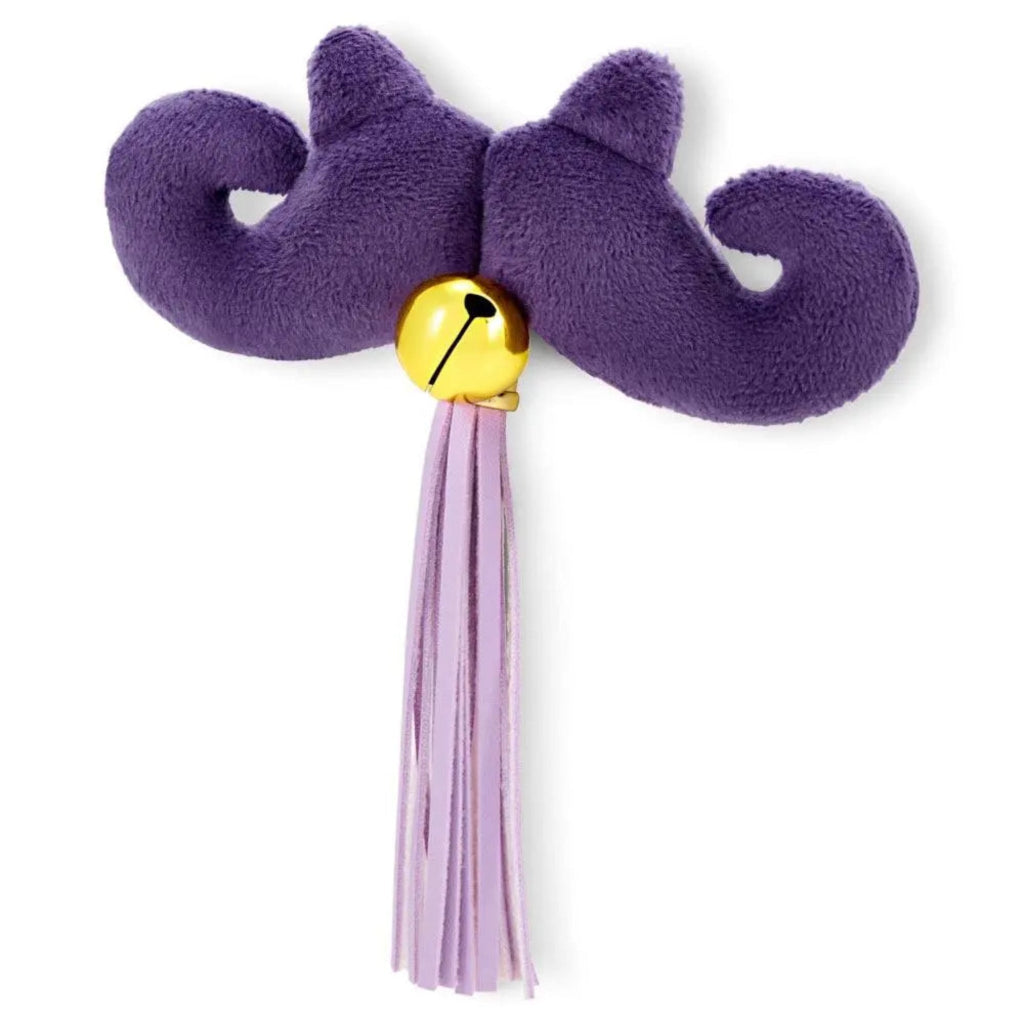
Gentler play with softer toys. Puzzle feeders at easier levels. Continued access to window views and sensory variety. Catnip remains effective for responsive cats well into old age — the neurochemical mechanism doesn't change with age. [Explore gentle enrichment options here.]
The goal isn't to recapture the energy of a three-year-old. It's to maintain quality of life in a form appropriate to the cat they are now.
The conversation you'll eventually need to have
Quality of life assessment in elderly cats is one of the harder aspects of ownership. The indicators: eating, drinking, movement, social behaviour, pain levels, interest in surroundings. A cat who is eating reasonably, moving without apparent distress, maintaining social contact, and showing interest in their environment is generally living with adequate quality of life.
When multiple indicators decline simultaneously and don't improve with treatment, that assessment becomes more difficult. Your vet is the right person to have this conversation with. So is Felinecare if you need support navigating it — they've accompanied a lot of owners through it.
You're reading this because you're paying attention. That's most of the job.
— The Catnip Queen x