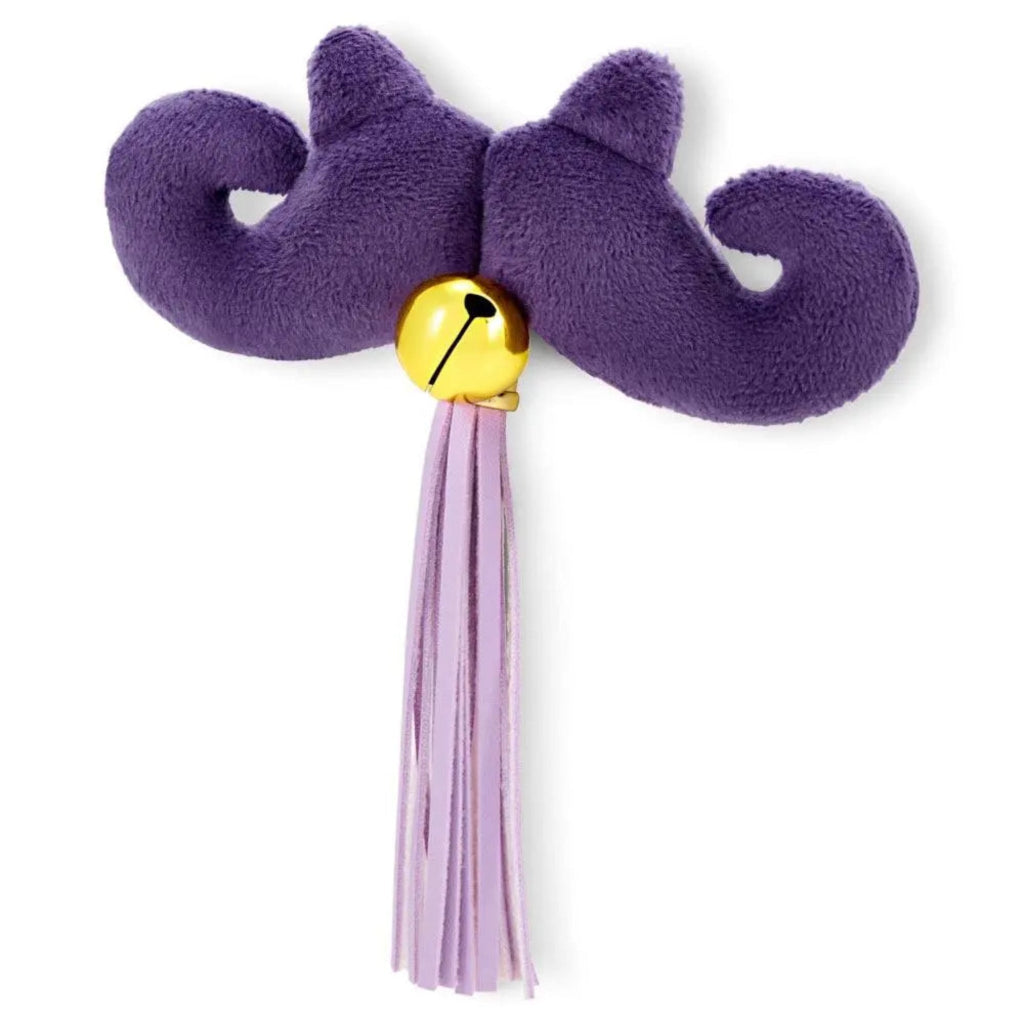
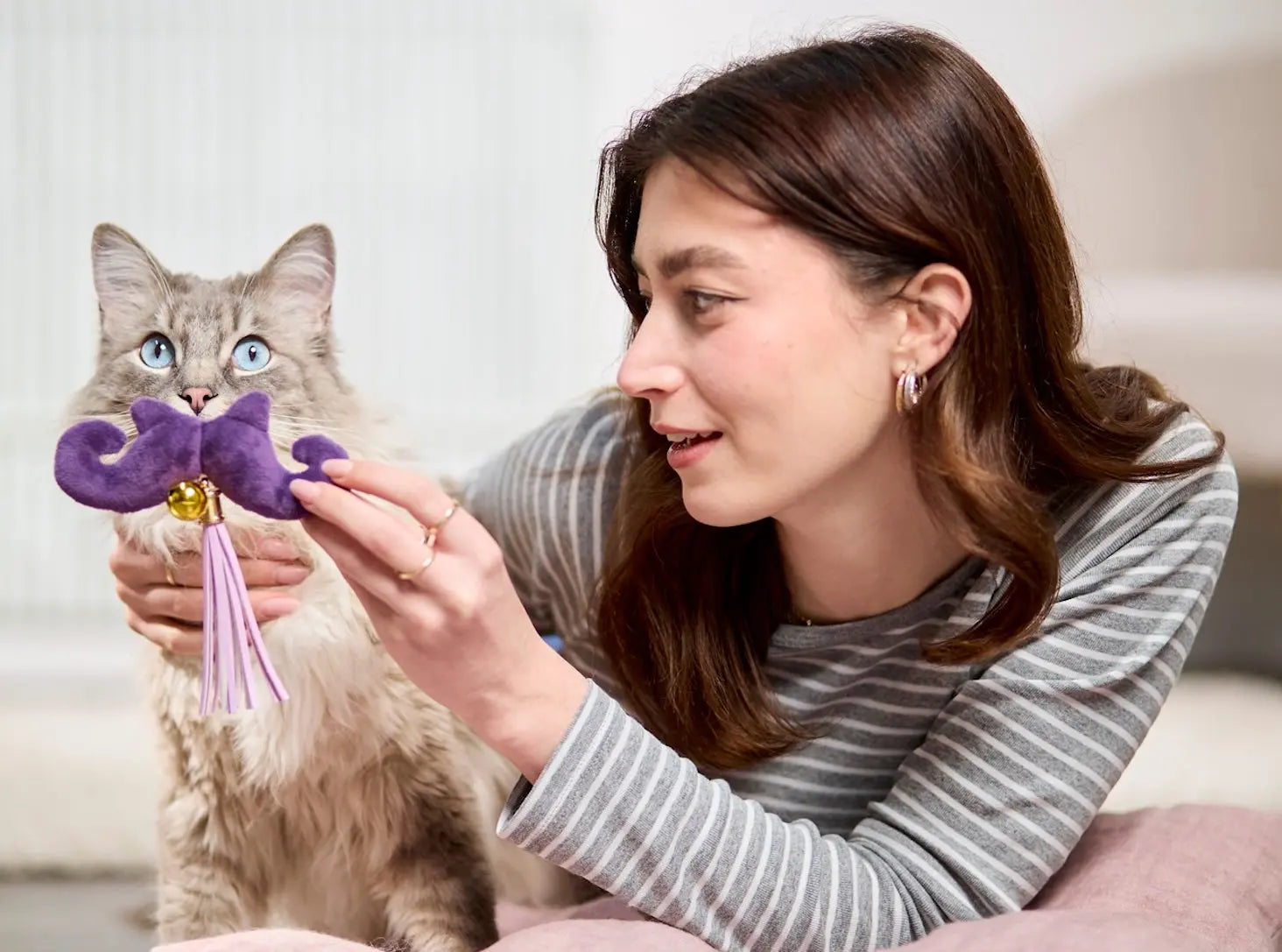
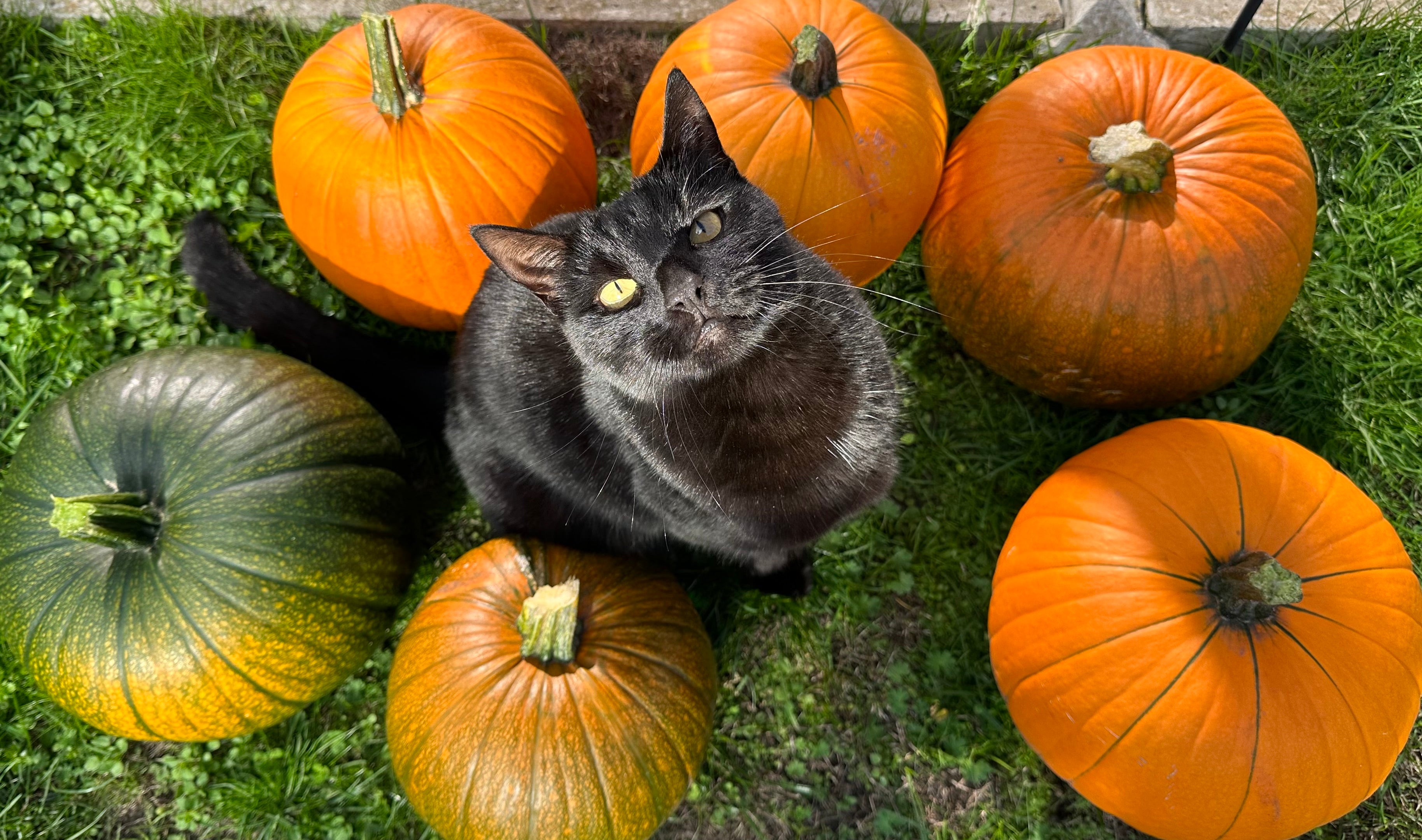
Your cat is rolling on the floor making sounds you've not heard before. The catnip toy you offered two minutes ago has been subjected to levels of enthusiasm previously directed at nothing in your home.
Here's what's actually happening.
The compound
Catnip — Nepeta cataria — contains nepetalactone, a bicyclic monoterpenoid produced in the plant's trichomes (the small hair-like structures on the leaves and stems). When a cat encounters catnip, the physical action of rubbing, biting, or rolling releases more nepetalactone from the plant material by breaking these structures.
This is why the "if you crush the leaves slightly before offering catnip" advice you'll see in various places has a legitimate basis: you're releasing more of the active compound.
What happens in the cat's brain
Nepetalactone binds to olfactory receptors in the nasal tissue and stimulates sensory neurons connected to the olfactory bulb. From there, the signal reaches the amygdala and hypothalamus — areas involved in emotional responses and hormonal regulation respectively.
The current understanding is that the response mimics the effect of feline sex pheromones. Neutered cats respond in the same way as intact cats, suggesting it's the receptor pathway rather than actual hormonal activity producing the effect. The response is neurological, not chemical in the pharmacological sense — nepetalactone doesn't enter the bloodstream and produce an effect throughout the body the way a drug does.
The response: what you're seeing
The typical sequence: sniffing, then rolling, rubbing on the source, vocalisation, sometimes mild aggression. Elevated energy, apparent euphoria. It lasts 5 to 15 minutes, then stops.
After the response period, there's a refractory window of 30 minutes to two hours during which the cat cannot respond again regardless of re-exposure. The receptors are temporarily saturated. This is why repeated immediate offering doesn't extend the experience.
Why some cats don't respond
The response is genetic — dominant gene inheritance. Approximately 68 to 80% of the domestic cat population carries the relevant allele. The remaining 20 to 32% are simply not responsive; there's no receptor to bind to. Non-response is equally common across sexes.
If your cat doesn't respond, silvervine (Actinidia polygama) is an alternative compound that activates a different receptor pathway. Some studies suggest a higher proportion of cats respond to silver vine than to catnip. Worth trying if your cat is in the non-responsive population.
Does it matter how fresh the catnip is?
Yes, practically. Nepetalactone is volatile — it degrades and evaporates over time, particularly when exposed to air, light, or heat. A toy that's been sitting open for a year likely has significantly reduced potency relative to when it was first opened, regardless of initial quality.
Storage: airtight container, away from light. Refillable toys make the economics sensible — replace the catnip rather than the toy.
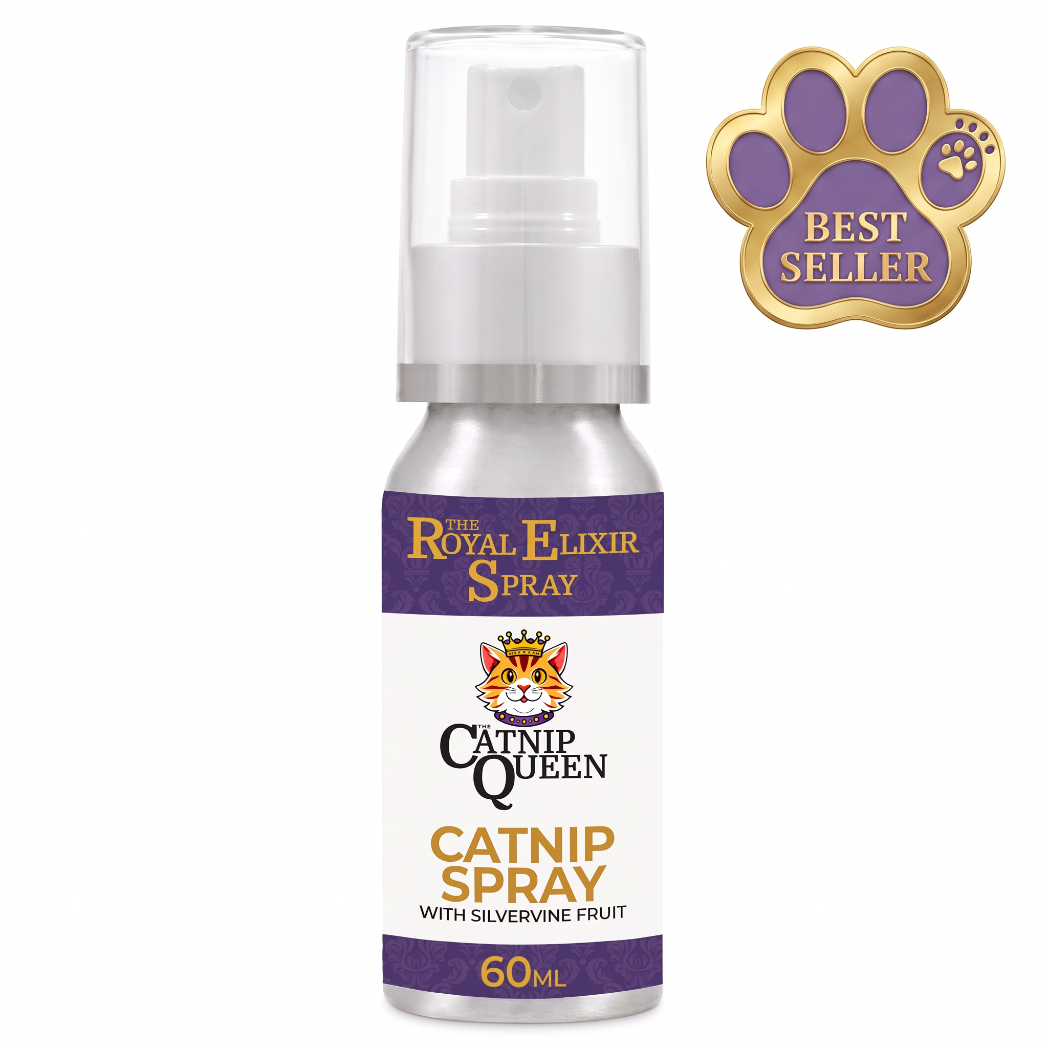
The difference between therapeutic-grade fresh catnip and a budget product with degraded or synthetic catnip is visible in the cat's response. Quality catnip produces the full sequence. Degraded or insufficient catnip produces mild interest or nothing. Browse our silvervine cat toy range here.
One additional note
Catnip also repels mosquitoes. Nepetalactone has been shown in research to be more effective than DEET at repelling mosquitoes, though the mechanism differs and the practical application is fairly limited unless your cat doubles as a mosquito deterrent.
The more useful application is the one already being put to use in your living room.
— The Catnip Queen x