Does Catnip Help Cats With Anxiety? | Feline Calm Facts
Evidence-based answers on catnip, anxiety reduction, and what actually works for stressed cats
Let's address the question directly: Can catnip help with cat anxiety?
The short answer: Sometimes. For the right cat, in the right situation, used correctly.
The longer answer: It's complicated—and anyone selling you a simple solution either doesn't understand feline behaviour or hasn't worked with enough anxious cats to know better.
Here's what ten years in luxury markets and seventeen rescue cats taught me: marketing promises are easy. Actual results require understanding the science, acknowledging limitations, and being honest about what works.
Catnip (Nepeta cataria) contains nepetalactone, an essential oil that binds to receptors in a cat's nasal tissue. This activates parts of their brain associated with scent, mood, and behavioural regulation—specifically the limbic system, which controls emotions.
The result? Most responding cats experience:
- Initial euphoria (5-15 minutes of heightened activity)
- Followed by relaxation and calm (the phase relevant to anxiety)
- Temporary immunity to catnip's effects (30 minutes to several hours)
Think of it as a brief mood reset, not a long-term anxiety treatment.
Critical context: Only 50-75% of cats respond to catnip at all. It's genetic. If your cat's one of the 25-50% without the receptor sensitivity, catnip does precisely nothing—no matter how premium the grade or how much you use.
When is Catnip good for anxious cats?
Based on veterinary research and behavioural studies, catnip shows potential for short-term, situational stress relief:
1. Travel & Vet Visits
Sprinkling catnip in a carrier 10-15 minutes before departure can create a calming association. The initial euphoria distracts from the carrier anxiety, followed by relaxation during the journey.
Reality check: This works for cats who (a) respond to catnip and (b) enter the calm phase rather than the hyperactive one. Test this at home first—discovering your cat becomes aggressive on catnip while trapped in a carrier at 70mph is poor planning.
2. Environmental Changes
New home? Renovation chaos? Catnip-infused toys or spray in safe spaces can help some cats associate new environments with positive experiences.
A 2010 study in Applied Animal Behaviour Science found shelter cats exposed to catnip showed increased sleep and decreased stress behaviours. Not dramatic transformation—but measurable improvement for temporary disruption.
3. Multi-Cat Household Tension
Catnip can temporarily diffuse territorial disputes by redirecting focus to play rather than conflict. Emphasis on temporarily—if you have chronic cat relationship issues, catnip's a bandaid, not a solution.
When Catnip Won't Help (And What Will)
Catnip is NOT effective for:
Chronic Anxiety
The 5-15 minute effect window is too short for ongoing stress management. If your cat shows persistent anxiety symptoms—excessive grooming, hiding, elimination outside the litter box, chronic fearfulness—catnip alone won't address the root cause.
What works instead:
- Environmental enrichment (vertical space, hiding spots, consistent routine)
- Pheromone diffusers (Feliway, backed by clinical studies)
- Behavioural modification with a qualified feline behaviorist
- Medical intervention for severe cases (consult your vet)
Separation Anxiety
Some sources suggest catnip for cats left alone. The problem? The effect ends 15 minutes after you leave. Your cat then spends the next 7 hours and 45 minutes exactly as anxious as before, just without the brief distraction.
Better solutions: puzzle feeders, interactive toys, gradual desensitization to departures.
Aggression-Based Anxiety
Here's where catnip can backfire spectacularly. Some cats become more aggressive when exposed to catnip—heightened arousal manifests as territorial or predatory behaviour rather than calm.
If your cat's anxiety presents as aggression, test catnip in a controlled situation before assuming it'll help. Introducing catnip into an already-tense multi-cat household without testing individual responses first is a masterclass in chaos.
The Extra Fancy Difference: Why Quality Matters
Not all catnip creates equal effects. Here's what you're actually paying for when you choose premium:
Grade Classifications
Extra Fancy Grade (what we use):
- Highest nepetalactone concentration
- Minimal stems and filler
- Maximum potency per application
- Consistent, reliable response in sensitive cats
Standard/Commercial Grade:
- Lower essential oil content
- More plant material, less active compound
- Requires larger quantities for similar effect
- Faster potency degradation
The practical difference: Extra Fancy organic catnip produces stronger, longer-lasting effects from smaller amounts. This matters for anxious cats who need reliable results, not hit-or-miss responses from inconsistent product.
Silvervine: The Alternative 95% of Cats Respond To
Remember those 25-50% of cats genetically unresponsive to catnip? Silvervine (Actinidia polygama) activates different feline receptors.
Research shows that combining catnip with silvervine achieves response rates above 95%—even cats who ignore pure catnip typically react to silvervine blends.
Why this matters for anxiety: If you've tried catnip for stress relief and saw zero response, your cat might not be broken—they might just need the alternative compound.
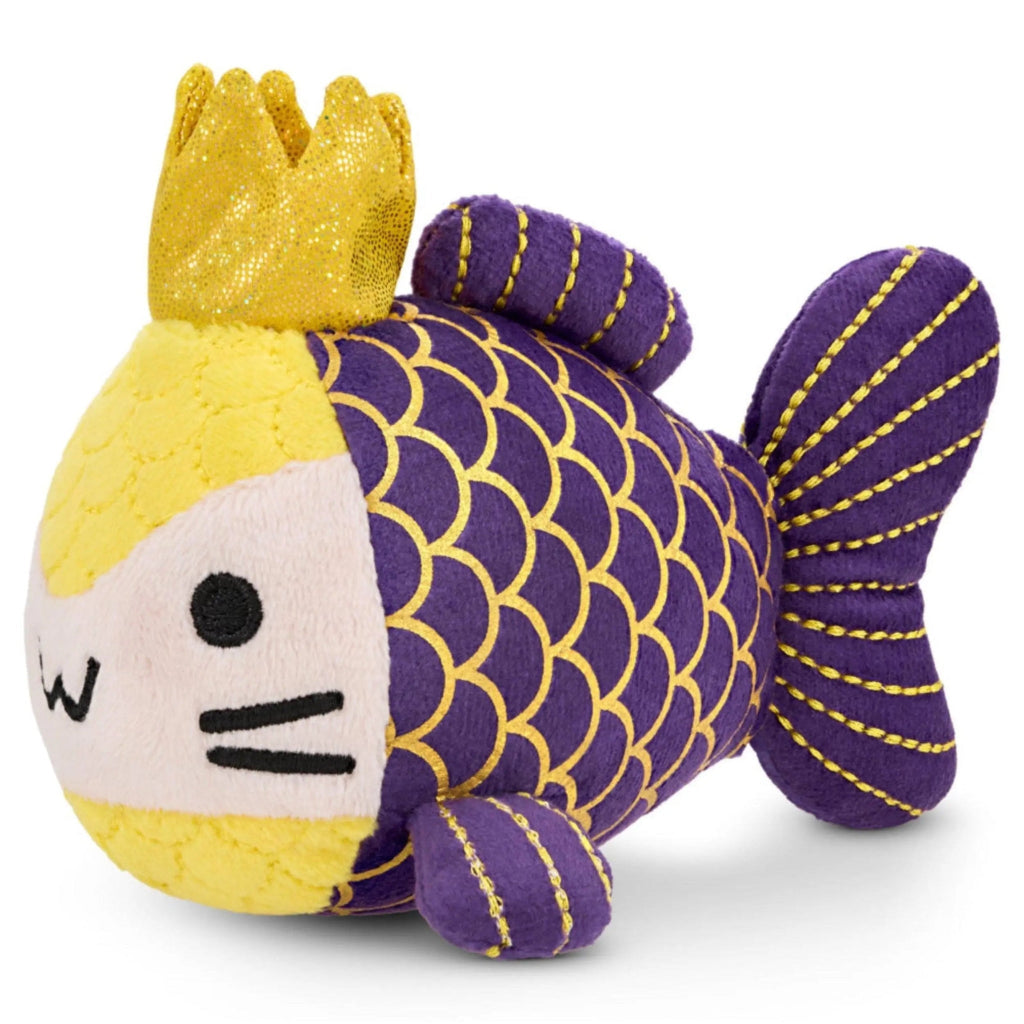
Our Royal Catch toys use Extra Fancy catnip plus silvervine specifically for this reason. It's not marketing—it's addressing the genetic limitation of catnip-only products.
How To Use Catnip For Anxiety (Properly)
If you're going to try catnip for stress relief, do it correctly:
1. Test Response First
Before using catnip for anxiety management, determine:
- Does your cat respond at all?
- Do they enter hyperactive or calm phase?
- Any aggressive behaviour?
- Duration of effect?
Testing method: Offer small amount of dried catnip in a calm, controlled environment. Observe for 30 minutes. Document response.
2. Timing Matters
Apply catnip 10-15 minutes before the stressful event when possible. This allows the initial euphoria to pass and the calm phase to coincide with the actual stressor.
For ongoing situations (moving house), refresh catnip in designated safe spaces every 2-3 days rather than constant exposure (which causes desensitization).
3. Storage Extends Potency
Catnip loses effectiveness when exposed to air and light. Store in sealed, airtight containers between uses. Properly stored Extra Fancy grade maintains potency for months.
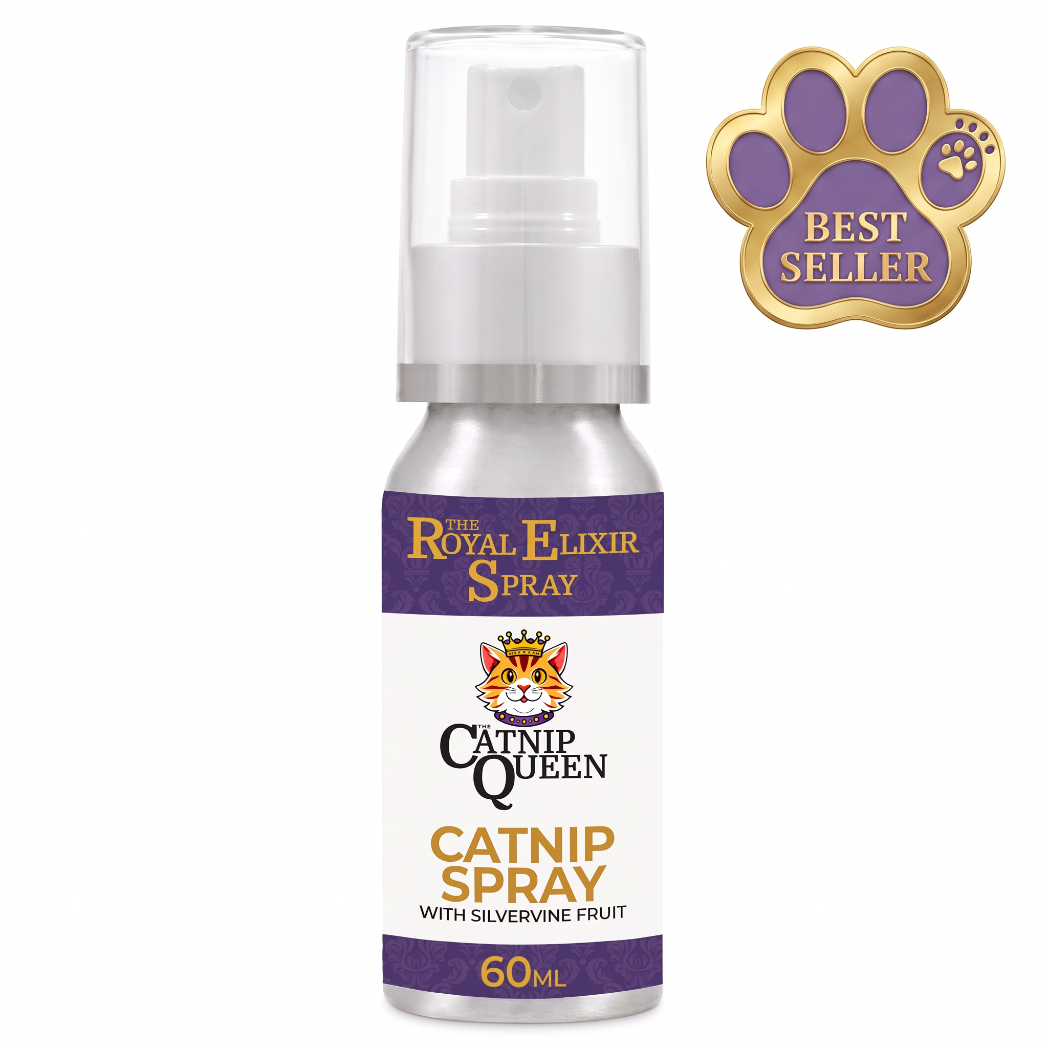
Pro tip: Our Royal Elixir Spray refreshes toys that have lost potency—sustainability meets effectiveness.
4. Don't Overuse
More frequent exposure = faster tolerance buildup. Use catnip strategically for specific situations rather than daily entertainment. This preserves its effectiveness when you actually need it for stress management.
Catnip Toys vs. Dried Catnip vs. Spray: What Works Best?
Different delivery methods suit different anxiety scenarios:
Catnip Toys
Best for: Redirecting anxious energy into play, creating positive associations with new spaces
How it works: Physical engagement + catnip exposure combines mental and physical enrichment. The toy becomes the focus rather than the stressor.
Limitation: Potency decreases with repeated exposure as nepetalactone dissipates.
Dried Catnip
Best for: Controlled dosing, carrier preparation, introducing new furniture/scratchers
How it works: Direct application allows precise placement in strategic locations. Pinch in carrier, sprinkle on new cat tree, refresh old toys.
Limitation: Messy, requires cleanup, some cats eat it (which changes the effect—ingestion typically produces mellowing rather than euphoria).
Catnip Spray
Best for: Refreshing toys, treating large areas, travel situations
How it works: Liquid delivery spreads nepetalactone over wider surface area. Convenient for quick application to carriers, bedding, or play areas.
Limitation: Generally less potent than dried catnip, requires more frequent reapplication.
What Rescue Work Taught Me About Anxious Cats
Seventeen rescue cats. Various backgrounds—abandoned, surrendered, feral-born, rehomed multiple times. All presenting some level of anxiety.
What actually worked:
Consistent routine outperformed every product. Same feeding times, same play schedule, same sleep locations. Predictability reduces anxiety more effectively than any herb.
Environmental design matters more than toys. Vertical escape routes, multiple hiding spots, separate resource stations (food/water/litter in different locations)—these addressed root causes rather than symptoms.
Catnip had its place—specifically for transition periods. Moving a rescue from shelter to foster home? Catnip in the carrier, catnip spray in the safe room. It helped, but it wasn't the hero.
Time was non-negotiable. Anxious rescues need weeks to months of consistent, patient habituation. Anyone promising faster results through products alone is selling hope, not solutions.
The Honest Assessment: Catnip's Role in Anxiety Management
Catnip works as one tool in a comprehensive anxiety management strategy—not a standalone solution.
Use it for:
- Short-term situational stress (travel, vet visits, temporary environmental changes)
- Positive reinforcement during behavioural modification
- Mental enrichment that coincidentally provides brief calm periods
- Testing whether your cat responds (before investing in expensive calming products that use similar compounds)
Don't rely on it for:
- Chronic, ongoing anxiety disorders
- Severe separation anxiety
- Aggression management (can worsen)
- Long-term stress relief (effects too brief)
Combine it with:
- Structured environmental enrichment
- Consistent routines and predictable schedules
- Appropriate veterinary care when needed
- Behavioural consultation for persistent issues
- Evidence-based products (pheromone diffusers, calming supplements recommended by vets)
Safety Notes: When Catnip Becomes a Problem
Catnip is non-toxic and non-addictive. Cats cannot fatally overdose. However:
Overconsumption (typically from eating large quantities) can cause:
- Mild gastrointestinal upset
- Vomiting or diarrhea
- Temporary loss of coordination
Overstimulation in sensitive cats manifests as:
- Aggressive behaviour
- Hyperactivity that increases stress rather than reducing it
- Territorial disputes in multi-cat homes
Allergic reactions (rare) include:
- Sneezing, coughing
- Skin irritation from direct contact
When to supervise:
- First exposure (unknown response)
- Multi-cat households (prevent resource guarding)
- Cats with known aggression issues
- During travel/transport (safety concern if hyperactive in carrier)
When to Consult a Vet Instead
If your cat shows these signs, catnip isn't the answer—professional evaluation is:
-
Persistent anxiety lasting weeks despite environmental management
-
Elimination outside litter box (can indicate medical issues, not just stress)
-
Excessive grooming causing hair loss or skin damage
-
Aggression toward people or other pets
-
Changes in appetite lasting more than 2-3 days
-
Hiding that extends beyond normal adjustment periods
-
Vocalization that's new, excessive, or distressing
Anxiety can mask medical problems. Hyperthyroidism, pain, cognitive decline in senior cats—all present as "anxiety" to untrained observers. Rule out physical causes before treating as purely behavioural.
The Bottom Line
Does catnip help cats with anxiety?
For about 50-75% of cats, in specific short-term situations, when used correctly as part of a broader strategy—yes.
For chronic anxiety, as a standalone treatment, or as a substitute for addressing root causes—no.
We make premium catnip products because quality matters and the right tool used correctly produces better results than mediocre alternatives. But we're not going to pretend catnip solves every anxiety problem. It doesn't.
Your anxious cat deserves actual solutions, not marketing promises. Sometimes that's therapeutic-grade catnip in the right situations. Often it's consistent routine, environmental modification, and professional guidance.
We provide the former. You provide the latter. Together, that's how anxiety actually improves.
Products mentioned:
- Royal Catch of the Day: Extra Fancy catnip + silvervine in designer fish toy
- Royal Elixir Spray: Refresh catnip toys, extend product life
Resources:
- Consult certified feline behaviourists for persistent anxiety
- Felinecare (Charity No. 1144830) for rescue-specific anxiety support
- Your veterinarian for medical evaluation
Written with input from feline behavioural research, veterinary science, and seventeen anxious rescues who taught me more than any textbook.
— V
Did this help? Share it with cat parents who need honest answers, not marketing fluff.
Meta Description (for SEO): Does catnip help cats with anxiety? Evidence-based guide covering when catnip works for stress relief, when it doesn't, and what actually helps anxious cats long-term.
Key Takeaways (Shareable): ✓ 50-75% of cats respond to catnip (genetic) ✓ Effects last 5-15 minutes (too brief for chronic anxiety) ✓ Works best for situational stress (travel, vet visits) ✓ Combine with environmental enrichment for real results ✓ Silvervine alternative for catnip non-responders