Catnip isn't magic. It's botany.
Nepeta cataria—therapeutic-grade organic catnip, not the dust in plastic pouches at supermarkets—contains nepetalactone, a compound that triggers euphoria receptors in approximately 70-80% of cats. It's not a sedative. It's not a drug. It's a natural stimulant that creates temporary positive behavioural responses.
The Science Behind the Response
When cats encounter nepetalactone (via scent, primarily), their olfactory system activates happiness receptors in the brain. The result:
-
Rolling and rubbing (scent-marking behaviour)
-
Increased playfulness (hunting instinct activation)
-
Vocalization (excitement response)
-
Brief hyperactivity (typically 5-15 minutes)
-
Followed by calm (refractory period, 30-60 minutes)
This isn't chaos. It's predictable neurochemistry.
20-30% of Cats Don't Respond
Catnip sensitivity is genetic. If your cat ignores it completely, that's normal. They lack the specific receptor gene. No amount of "better quality" catnip changes this.
Alternative botanical options for non-responders: silver vine, valerian root. Consult your vet before introducing new botanicals or try a Silverine spray as an alternative.
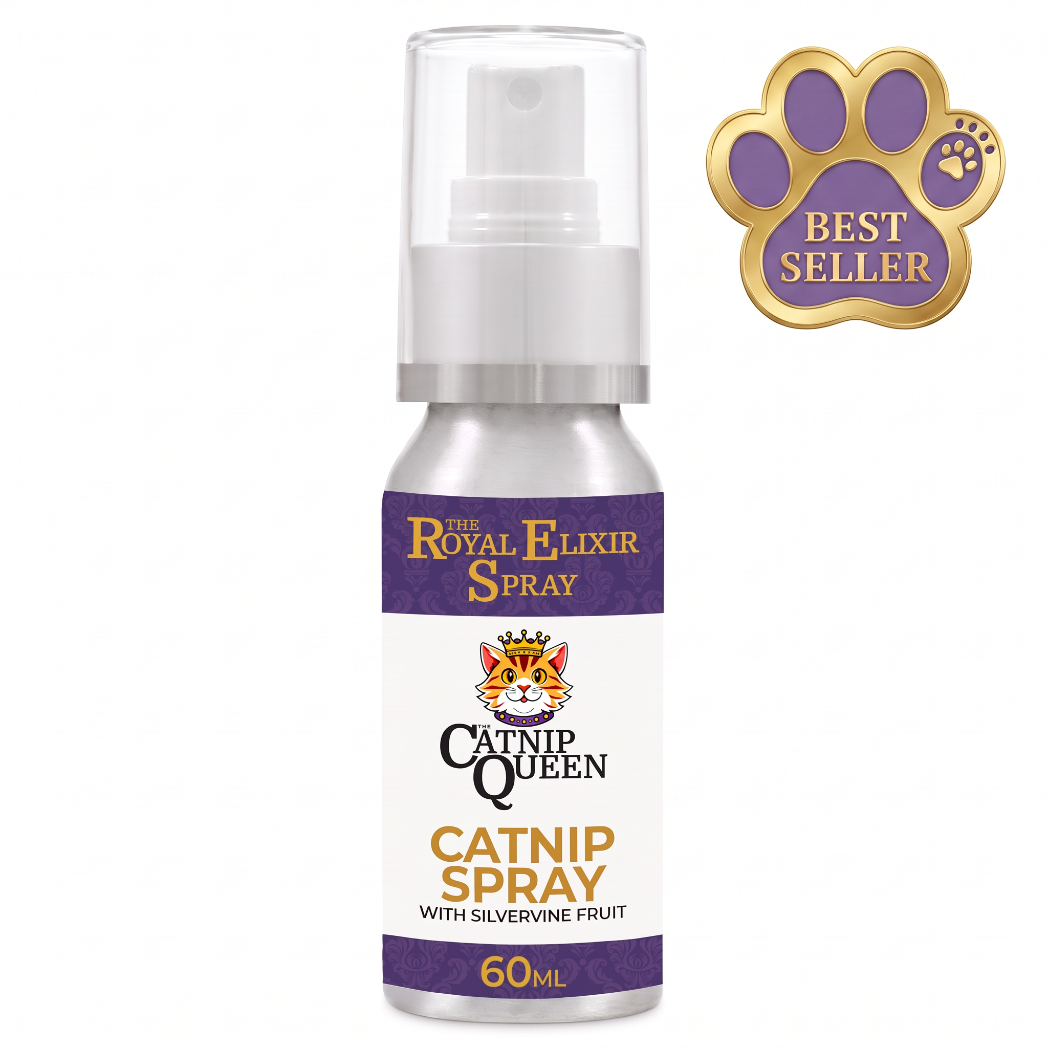
Our Silverine and Catnip Royal Elixir spray is worth a try!
Therapeutic Applications
For rescue cats and anxiety management, therapeutic-grade catnip serves specific purposes:
Environmental enrichment: Applied to scratching posts, new furniture, or unfamiliar spaces to create positive associations.
Play encouragement: Incorporated into toys to stimulate natural hunting behaviours (therapeutic for anxious cats).
Stress reduction during transitions: Light application in carriers, new rooms, or during environmental changes.
Not a cure-all. Catnip supports anxiety management as part of comprehensive environmental enrichment—not as standalone treatment.
Quality Matters
Mass-market catnip loses potency within weeks of packaging. Therapeutic-grade organic catnip maintains nepetalactone concentration for months when properly stored.
What to look for:
- Organic certification (no pesticides)
- Recent harvest date
- Whole-leaf or coarsely ground (not dust)
- Proper storage (airtight, cool, dark)
What to avoid:
- Synthetic additives
- "Catnip-scented" products (fragrance, not actual catnip)
- Plastic packaging (degrades potency faster)
- No sourcing information
Proper Use
Application frequency: 2-3 times weekly maximum. Daily use reduces response over time as receptors become desensitized.
Amount: Light application. A pinch (½ teaspoon) is sufficient. Oversaturation doesn't increase effect—it wastes product.
Where to apply:
- Scratching posts (encourages use)
- Play areas (creates positive association)
- New hiding spots (reduces anxiety about unfamiliar spaces)
- Toys (stimulates play behaviour)
Where NOT to apply:
- Food bowls (not edible in large quantities)
- Litter trays (creates confusion)
- Everywhere (targeted use maintains efficacy)
Safety Considerations
Catnip is non-toxic and non-addictive. Cats cannot overdose on catnip—they'll simply stop responding and walk away.
However:
- Kittens under 6 months typically don't respond (receptors not fully developed)
- Pregnant cats should avoid catnip (consult vet)
- Aggressive cats may become overstimulated (monitor first exposure)
If your cat shows unusual aggression or distress with catnip, discontinue use and consult your vet.
Growing Your Own
Fresh catnip is more potent than dried. Growing your own ensures organic quality and maximum nepetalactone concentration.
London growing tips:
- Container growing works for flats (no garden needed)
- Prefers full sun but tolerates partial shade
- Minimal water requirements
- Hardy perennial (returns yearly)
- Harvest before flowering for peak potency
Protect your plant: Cats will destroy fresh catnip plants if given access. Grow in inaccessible location or use protective netting.
What Catnip Isn't
Let's be clear about what catnip doesn't do:
It's not sedation. The post-response calm is a refractory period, not sedative effect.
It's not training reinforcement. Catnip creates generalized euphoria, not specific behavioural reinforcement.
It's not medication. It supports environmental enrichment but doesn't treat medical anxiety disorders.
It's not universal. 20-30% genetic non-response rate means it won't work for every cat.
The Actual Benefits
When used appropriately, therapeutic-grade catnip:
- Encourages exercise through play stimulation
- Reduces environmental stress during transitions
- Creates positive associations with new spaces
- Provides mental stimulation for indoor cats
- Supports natural behaviours (scratching, hunting, exploring)
Combined with proper environmental management, consistent routine, and appropriate veterinary care, catnip serves as effective support tool for cat wellness.
Not magic. Just well-applied botany.
Catnip Queen uses organic, Extra Fancy Catnip, a therapeutic-grade Nepeta cataria . Every product maintains peak nepetalactone concentration through proper harvesting, processing, and storage protocols.
1% of proceeds support Felinecare's rescue operations.
Questions about catnip application for anxious rescue cats? Contact hello@thecatnipqueen.com